May 8, 2026

Best Way to Straighten Teeth Without Braces
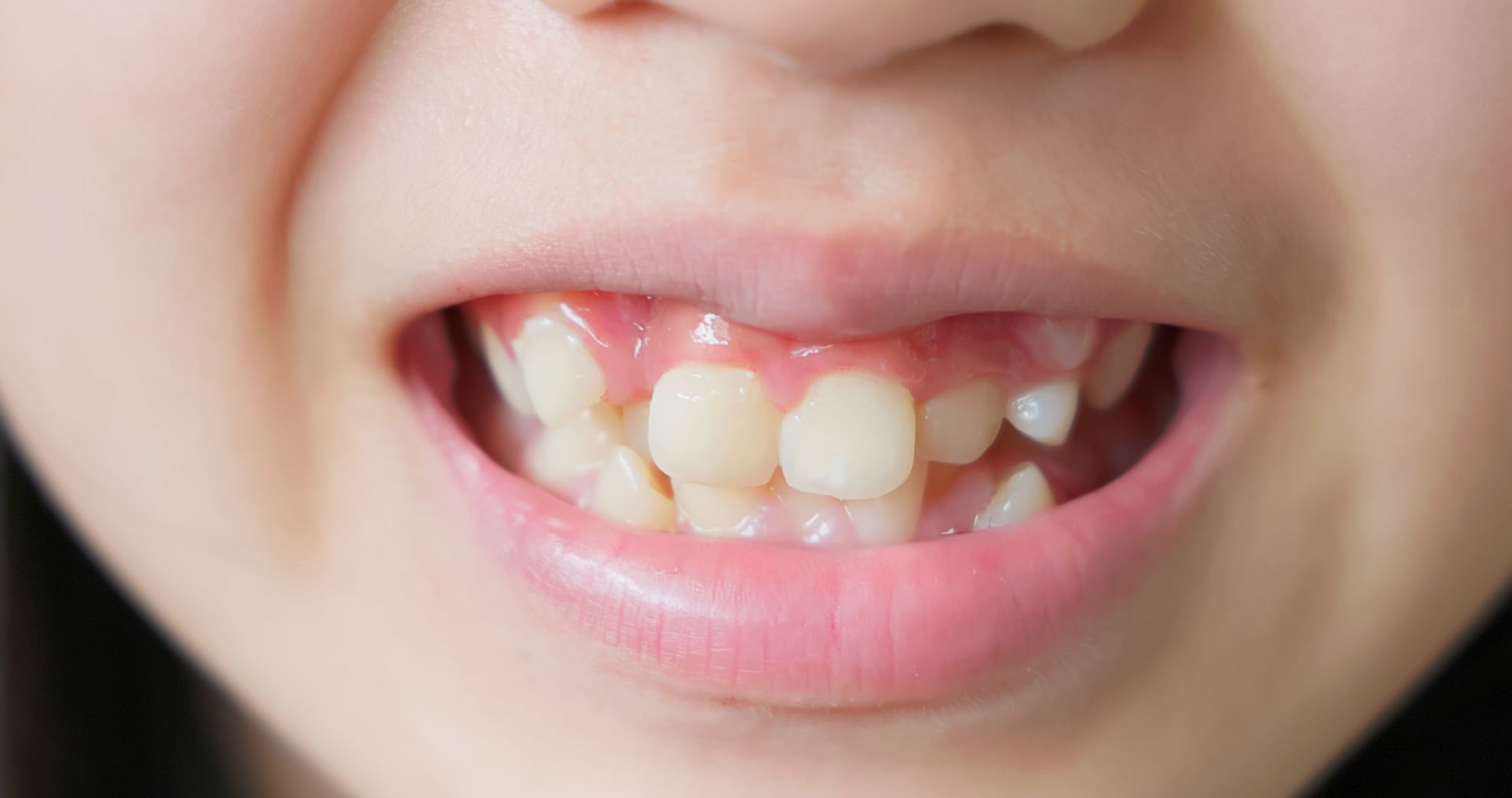
If you’re reading this article there’s a good chance you’re an adult who wants to straighten their teeth, but doesn’t want to walk around with a mouth full of metal brackets and wires.

The good news? You have more teeth straightening options than ever before, with plenty of more discreet alternatives to traditional braces, so you can achieve a healthier smile without disrupting the rhythm of your life. 

What Are the Best Alternatives to Braces for Adults?


The two most popular alternatives to braces for those looking for a more discreet orthodontic treatment experience are Invisalign and clear braces/ ceramic braces. 


Invisalign Alternative
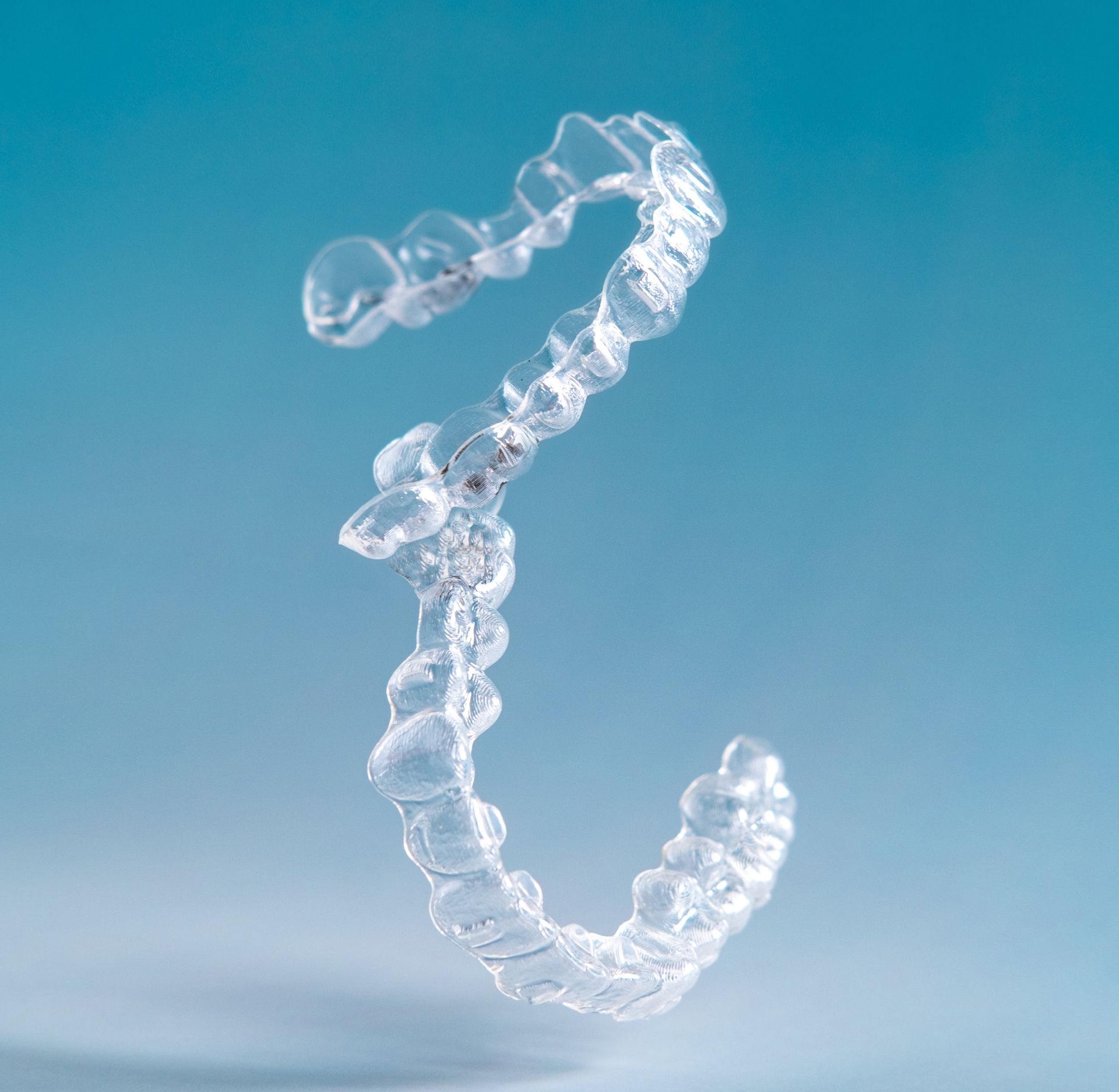
: Invisalign uses a carefully designed series of removable clear plastic trays to gradually shift your teeth into alignment. 3D Scan technology is used to map out treatment and each set is worn for about 1 to 2 weeks before moving onto the next set. These trays are virtually invisible and can be removed for things like eating and brushing. In fact, many people discover Invisalign for the first time by searching for removable braces, which in many ways is what they are. 


Clear Braces Alternative
: Clear braces, also called ceramic braces, function the same way that traditional metal braces do, using a system of brackets and wires to apply pressure to your teeth, gradually moving them into their desired positions. The difference however, is that the brackets of clear braces are made from a tooth-colored or translucent ceramic material instead of metal. This is why many people think of them as the best braces for adults. More discrete but comparable functionality.


Invisalign vs. Clear Braces: What’s the Difference?


Invisalign and clear braces are both great ways to straighten teeth without relying on traditional metal braces, but they do have some differences that can play a role in determining which option is a better fit for your situation. 


Invisalign/ Clear Aligners: 

  • The more discreet option. The thin, clear plastic of the trays is nearly invisible. 
  • Removable, so there aren’t any dietary restrictions and cleaning your teeth is easy. You just pop them out to eat and brush. But you do have to make sure you don’t leave them out for too long! Required wear is 20-22 hours per day. 
  • Works best for mild to moderate cases, like crowding, spacing, and common bite issues. 


Clear Braces:

  • Still discreet due to the translucent or tooth-colored ceramic brackets, but not quite as invisible as Invisalign. Some people think of them as see through braces. 
  • Clear braces for adults tend to offer more direct and precise control for more complex cases. They often will be a better option for serious bite corrections, more significant crowding, and when considerable vertical or rotational movement of the teeth is needed. 
  • Since they’re fixed to your teeth, you don’t have to worry about having to be disciplined with putting them back on your teeth like you do with Invisalign. 


Is Invisalign or Clear Braces Right For My Case?

So what’s the best alternative for braces between Invisalign and clear braces? Ultimately it depends.

If your case is mild to moderate and you value discretion and flexibility the most, then Invisalign is likely a great option. On the other hand, if your case is more complex, or you prefer a fixed braces treatment where you don’t have to worry about taking anything in and out of your mouth every time you eat or brush your teeth, then clear braces could be the winner. 

The only way to completely know which option is best, is to set up an initial orthodontic consultation where an orthodontist is able to do a comprehensive evaluation of your teeth, jaw, and bite. At Pierson & Saunders, we offer complimentary consultations at both San Antonio locations (Alamo Ranch and North Loop), and would be happy to help you figure out which alternative to braces makes sense whether that’s the Invisalign alternative or clear orthodontic braces.


What About At-Home Aligners?


At-home aligner kits have been heavily marketed as cheaper alternatives to braces and the cheapest way to fix teeth. If you’ve Googled things like how to straighten teeth without braces at home or how to get your teeth straight without braces, there’s a good chance you’ve probably come across some of these brands.

So the question becomes, are they a safe and legitimate alternative to braces?

Truthfully, they come with some real limitations and documented risks.

How at-home aligner kits work is you complete an impression kit by yourself at home. You then mail these impressions to the company and they send you a series of aligner trays. The problem with this is you’re missing a bunch of critical steps. There’s no X-rays, no in person exam, no orthodontist evaluating your bite.

Orthodontics isn’t just about straightening your teeth. It’s about making sure that everything from your bite to your teeth to your jaw are in harmonious alignment. These at home kits don’t consider all pieces of the puzzle.

As further evidence, the American Dental Association has made it clear that they oppose DIY orthodontics, because of their potential to cause irreversible harm, citing documented risks of bone loss, bite problems, jaw pain, and receding gums. Proper supervision truly is a key component of orthodontic treatment.

If cost is a real concern, it’s better to ask about payment plans during your orthodontic consultation. Most practices, including Pierson & Saunders will have flexible financing options that make professional teeth straightening options more accessible and affordable than people realize. 


Why Are My Teeth Shifting and Can It Be Fixed Without Braces?

The reality is that teeth don’t just stay put. Even if you had a perfect smile at one point, it’s possible that your teeth will shift in adulthood. Maybe you’ve noticed your bottom front teeth shifting or your upper front teeth moving forward or potentially your front teeth going inwards. All of these things are possible. So you’re probably wondering, what’s causing my teeth to shift?


There's a few common reasons your teeth might be shifting:

  • You’re not wearing your retainer consistently. This is the most frequent culprit.
  • Wisdom teeth pressure. As they erupt, they push on your teeth causing crowding. 
  • Natural changes in your jaw as you age. 
  • Everyday habits such as grinding your teeth. 


These shifts can all happen gradually where you don’t even notice them until one day you look in the mirror and think something like “huh, I never noticed how my bottom teeth pushed back or how there’s a few teeth turning inward.”

Whether you’re wondering how to stop teeth from shifting or how to stop teeth moving naturally, this is where the discreet methods we’ve already discussed can shine.

If only minor shifting has occurred, then a short targeted round of clear aligner therapy could do the trick, allowing you to avoid full braces treatment. However, if things are a bit more serious like teeth caving in or bite alignment issues, then a more comprehensive treatment plan may be necessary.

The key is to not wait. Orthodontics is all about timing and the sooner that you can catch something and correct it, the better. If you’ve noticed a shift in your teeth and wondered how can I fix my teeth, then it’s time to see an orthodontist. A quick evaluation is all it takes to figure out what’s going on and figure out the simplest path forward. You might even be surprised at how simple the fix really is.


Why See an Orthodontist Instead of a Dentist for Invisalign?

If you’ve been researching alternatives to braces for adults, you’ve probably noticed that a lot of general dentists also offer Invisalign and other clear aligner treatments. So you’re probably wondering does it really matter who does my clear aligner treatment? Can I just go to a dentist?

Here’s why who you go to matters:


Orthodontists are specialists who have completed an additional 2 to 3 years of residency training after dental school. In residency, they focused exclusively on tooth movement, jaw development and bite mechanics. This makes them uniquely positioned to figure out the root cause of your alignment issues and deliver a treatment plan that’s right for you, whether that’s orthodontic braces treatment, clear aligners, or something else.

A general dentist is trained to do a lot of things and a good dentist is invaluable to maintaining a person’s oral health. From cleanings to fillings to extractions, you name it, a dentist is the one to see. But when it comes to the mechanics of moving teeth, analyzing your bite and jaw, and ensuring all of those things are in an alignment that provides long term stability, an orthodontist is critical. It’s especially important for more complex cases. The specialized expertise that an orthodontist brings to the table can have a real impact on your outcome when it comes to aligners or teeth braces for adults.

At Pierson & Saunders, we’re uniquely positioned to provide the best care when it comes to Invisalign treatment. In addition to Dr. Pierson and Dr. Saunders both being board-certified orthodontists, we’re also a Blue Diamond Invisalign provider, which is the highest tier of Invisalign certification. This means our team has completed more Invisalign cases than the vast majority of providers. When it comes to discreet teeth straightening options in San Antonio, that combination of specialist training and Blue Diamond expertise is genuinely hard to beat.


Frequently Asked Questions

Is it too late to fix my teeth as an adult?
It’s never too late! Adults are making up a growing portion of orthodontic patients and there are excellent teeth straightening options available that make it so treatment can be discreet. 


Why are my bottom teeth shifting?
Bottom teeth shifting in adulthood is more common than people realize. Inconsistent retainer wear, wisdom tooth pressure, or natural jaw changes that happen as you age are all factors that could be creating the shift. As with everything in orthodontics, the sooner you address the issue, the better. 


What are clear braces called?
Ceramic braces, tooth-colored braces, and clear orthodontic braces, are all terms referring to clear braces. 


Can Invisalign fix crooked teeth?
The beauty of Invisalign is that it can treat a wide range of alignment issues including crowding, spacing, and many common bite misalignments. Invisalign can fix crooked teeth effectively and discreetly. 


Are clear braces a good Invisalign alternative?
Clear braces are a great Invisalign alternative if you have a more complex case, or if you’re concerned about being compliant and keeping your Invisalign trays in for 20 to 22 hours a day. 


Conclusion


Your smile is important and the good news is that metal brackets and wires in your mouth aren't the only path forward to a healthier smile. Whether you’re interested in Invisalign, clear braces or simply want to explore what options besides braces are available to you, the first step is figuring out what’s truly going on, and figuring out which solution is right for you. 


At Pierson & Saunders we make the first step easy. We offer complimentary orthodontic  consultations at both of our San Antonio locations, so that you can get a clear picture of what teeth straightening options could be a good fit without any pressure or commitment.

As board certified orthodontists and Blue Diamond Invisalign providers, we have a long history of helping adults in San Antonio achieve the smile they’ve always wanted and doing so in a way that’s discreet and keeps them living life to the fullest. 


So if you’ve been putting off treatment, or just didn’t realize how easy treatment could be, reach out to us today and let’s get started! 


Get in touch

April 21, 2026
Everyone has insecurities. Some are small, some are big. Some you can change, some you have no control over. To have insecurities is to be human! For many people, something in the “I wish I could fix this” category is a gummy smile. This is an extremely common cosmetic concern that has many people zooming in on photos and asking questions like why do my gums show when I smile? Which is then typically followed up with questions like: what causes a gummy smile? What does gummy smile treatment look like? Or how to fix gummy smile? The reality is that gummy smiles aren’t all created equal. There’s a wide range of root causes, and because of this, there’s an equally wide range of treatment options. In recent years, a treatment option that has blown up in popularity is the lip flip. Scroll through social media, and you’ll find thousands of lip flip before and after transformations. What is a lip flip? It’s a Botox-based treatment that relaxes your upper lip, so it sits lower and covers more of your gums, while also giving the lip a fuller appearance. It’s a quick fix that can look great, and for some people, this temporary cosmetic workaround might be all they’re looking for. However, for others, where their gummy smile has functional root causes, like the way their teeth sit, how their jaw is developed, or how their bite functions, a simple lip flip won’t truly fix the appearance of a gum smile. In this guide, we’ll discuss what actually causes a gummy smile, how to tell what could be causing yours, and explore what gummy smile treatment options exist. By the end, you’ll understand why an orthodontist should be your first call when figuring out how to correct your gummy smile. What is a Gummy Smile Exactly? While some studies will try to link an exact measurement to what defines a gummy smile, it’s less about a number and more about how your smile makes you feel. If you notice that your gums show when smiling more than you’d like them to and you wish your top gums were less visible, then it makes sense to explore gummy smile treatment. And it’s worth noting that it’s okay to care about this! Some people might feel superficial caring about a gummy smile. But wanting your smile to feel balanced and avoid the appearance of having large gums and small teeth is completely normal. Smiling is one of the best things we do as humans and you should never have to feel self conscious about yours. So now that we got that out of the way, let’s get into what can cause excessive gingival display. What Causes a Gummy Smile? A wide range of factors can cause a gummy smile, and understanding the root cause is hugely important in picking the right gummy smile treatment. So if you’ve been wondering stuff like why do I have a gummy smile, or why do some people have gummy smiles while others don’t, then this section will give you some much needed clarity! Teeth Don’t Fully Erupt Sometimes conditions will limit a person’s teeth from fully erupting during development. They remain stuck further up in the gums, creating an appearance of tiny teeth big gums. However, in reality the teeth aren’t actually small and the person doesn’t really have abnormally long gums; the teeth just haven’t fully emerged from the gum line. In these cases, an orthodontist or periodontist can have a significant impact in changing the appearance of a person’s smile. Jaw Development Issue (Vertical Maxillary Excess) Gummy smiles can also be caused from a skeletal imbalance between the upper and lower jaw where the upper jaw grows too far downward during development. This imbalance is called vertical maxillary excess and makes it so there’s more visible gums when smiling. It’s often genetic and can also come with serious bite issues like an open bite. For an imbalance like this, the gummy smile isn’t just a cosmetic issue, it’s a functional one as well. For mild to moderate cases, it’s possible for orthodontics alone to make a meaningful difference in bringing proper alignment to the jaws. However, for more serious cases, it could require surgical orthodontics. Hyperactive Upper Lip A hyperactive upper lip is when there is a muscular issue with a person’s lip that makes it so their lip functions properly at rest, but rises higher than typical when they smile. Essentially, when the lip muscles contract, they do so more forcefully and it causes the upper lip to travel higher than average. In this case, a lip flip could actually be a great fit, because the Botox is able to relax the overactive muscles. However, the solution is temporary (only lasts 3 to 4 months), so it requires consistent maintenance. And if there’s an underlying issue related to the person’s bite or teeth then a lip flip alone might not give a complete result. Gum Overgrowth (Gingival Hypertrophy) There’s other scenarios where the gum tissues themselves are actually thicker or longer than average, and are covering more surface area of your teeth than normal. This gives the appearance of a gum smile as your teeth appear to be buried under the high gums. It’s a condition that can have many different causes, from genetics to a side effect of certain medications to hormonal changes. Correcting it typically requires either a gingivectomy or a crown lengthening procedure in order to remove the excess gum and reshape the tissues to better frame the teeth. A Combination of the Above In many patients, a gummy mouth is actually caused by a number of these factors, all coming together to create a situation where there’s more gums showing while smiling. For example, you could have slightly shorter teeth, a mildly overactive lip, and a bite that needs correction. The complexity of the causes behind gummy smiles is why getting a professional consultation is important. Orthodontists are trained to assess how the teeth, jaw, bite, and gums all work together, making them uniquely positioned to understand the true nature of your gummy smile. Gummy Smile vs. Normal Smile: What’s the Difference? When you’re comparing a gummy smile vs normal smile, you shouldn't boil it down to a number. The reality is that showing a little bit of gums when you smile is totally normal. Most people do. And if your gums show when smiling more than average, but it doesn’t bother you, then don’t sweat it! When a gummy smile becomes a problem is when it begins to affect how you feel about yourself or how you interact with the world. For example, you might find yourself looking at photos and seeing more gums than teeth. Perhaps you avoid smiling as wide as you want or even cover up your smile because you’re afraid of showing gums. When the fear of gummy teeth reaches this point, it’s time to start looking into how to fix a gummy smile. How to Fix a Gummy Smile: Understanding Your Real Options If you’ve been researching how to fix a gummy smile or how to get rid of a gummy smile you’ve probably come across all kinds of treatment options from Botox, to surgery, to home remedies. As you now know from reading about what causes gummy smiles, the treatment that works is completely dependent on the cause. The Lip Flip: What It Is, When It Works, and When It Doesn’t A lip flip is a cosmetic procedure where small amounts of Botox are injected into the muscle that controls the upper lip. The Botox causes the muscle to relax, and the lip “flips” slightly upward and outward, relaxing over the gums. Let’s get a few questions out of the way: How long does a lip flip take? The procedure takes about 10 minutes. How much does a lip flip cost? It typically costs anywhere from $75 to $200 per session. How long does a lip flip last? Results will normally last about 3 to 4 months. It’s possible that you found this article by researching something like how to fix gummy smile Botox, or maybe you were just down a rabbit hole looking at lip flip before and after photos. Some of the results are certainly impressive and if a hyperactive upper lip is the primary cause of your gummy smile, then it could be a good treatment option. Here’s a breakdown of some pros and cons: When the lip flip makes sense: When a hyperactive upper lip is the root cause of your gummy smile, and there aren’t any issues with teeth alignment, gum shape/ size, or jaw position, then using Botox to relax an overactive muscle could provide you with a satisfying improvement. When the lip flip isn’t the answer: If your gummy smile is caused by gum overgrowth, short or crowded teeth, an imbalanced bite, or a jaw that’s out of position, then a lip flip really won’t be an effective solution. And think about it from a mathematical standpoint. If you’re spending an average of $150, 4 times per year, that’s $600, which over 5 years is $3,000. Meanwhile, there’s no actual improvement to addressing the root cause, and so you’ll have to continue making those quarterly payments with no end in sight. How Orthodontics Can Fix a Gummy Smile, Permanently For many patients, an orthodontic treatment option can be the most effective gummy smile fix. Especially when the cause of the gummy smile is structural. The great thing about orthodontics, is that unlike a lip flip, it addresses the root cause of the problem and the results aren’t temporary. With orthodontics you can get some truly amazing gummy smile before and after results. Whether it’s correcting how teeth are positioned, or changing the alignment of the bite or jaw, orthodontics can not only improve the aesthetics of your smile, but also fix underlying functional issues that coincide with your gummy smile. Braces for Gummy Smiles Traditional braces are an effective tool for correcting gummy smiles when they’re caused by vertical tooth positioning or involve problems with your bite. Braces have come a long way over the years, becoming far more comfortable and precise than they once were. When exploring this option, you’ll come across two types of traditional braces: metal and clear/ ceramic braces. Functionality wise they operate the same. It’s more a matter of your personal aesthetic preference. At Pierson & Saunders Orthodontics in San Antonio, we use a combination of innovative technologies like the iTero 3D digital scanner, and modern techniques like indirect bonding to ensure that gummy smile treatment is precise, efficient, and comfortable. Invisalign for Gummy Smiles Invisalign is a more discrete option than traditional braces and can also be a powerful tool for correcting gummy smiles. It’s especially helpful when the teeth need to be moved upward, or crooked teeth need to be repositioned in a way that less gums show. If the problem is tooth positioning, Invisalign could be a great option. At Pierson & Saunders we deliver aligner plans that are truly personalized to you and as a Blue Diamond Invisalign Provider, we are an experienced and trusted partner for making sure treatment achieves your desired goals as efficiently as possible. Surgical Orthodontics for Complex Cases For gummy smile cases involving jaw positioning, like when there’s significant vertical maxillary excess, gummy smile gum surgery in the form of surgical orthodontics may be necessary. This option is for more complex cases, when orthodontics alone can’t bring your jaw back into proper alignment. When this is the case, you and your orthodontist work closely with an oral and maxillofacial surgeon who surgically repositions your jaw into proper alignment. At Pierson & Saunders we would be able to coordinate this care closely with one of our trusted surgical partners in the San Antonio area. Other Gummy Smile Treatment Options  Orthodontics is often at the center of how to fix gummy smile problems, since it addresses the underlying structural issues causing the gummy teeth appearance. But there are other treatments that could come into play during a person’s corrective plan. Crown Lengthening Procedure The crown lengthening procedure is a periodontal surgical treatment that removes excess gum tissue, while also reshaping the underlying bone that holds your teeth in place. By doing so, the crown of your tooth (the visible part of your tooth) appears to be longer, reducing the appearance of big gums teeth. Gingivectomy A gingivectomy also reshapes the gum line and reduces gum tissue overgrowth, but unlike the crown lengthening procedure, doesn’t involve altering bone. It’s often performed with a laser and recovery is pretty quick. If the primary reason you have particularly visible gums while smiling is due to gum overgrowth, then a gingivectomy is a nice and simple solution. Lip Repositioning Surgery Lip repositioning surgery is for those who have a hyperactive upper lip, but want a permanent alternative to repeated Botox injections. This surgery modifies the tissue inside the lip, so that it doesn’t rise up as high when you smile. It’s obviously more invasive than a lip flip, but it has lasting results. It’s an option that’s explored after all other structural concerns connected with a person’s gummy smile have been addressed. How to Fix a Gummy Smile Naturally or Without Surgery Many people search for how to fix a gummy smile naturally or how to fix a gummy smile without surgery. Ultimately, whether or not a natural or non-surgical fix is the best treatment option depends on the cause of the gummy smile. For example, if the cause of your gummy smile is a hyperactive upper lip, then a lip flip could be a good non-surgical option. Or if the positioning of your teeth is the main culprit, then Invisalign or traditional metal or ceramic braces could be effective non-surgical methods. Ultimately, it’s important to set up an orthodontic appointment so that they can do an in-depth evaluation and figure out your best path forward. How Much Does It Cost to Fix a Gummy Smile? At this point, you’re probably wondering, how much does it cost to fix a gummy smile? As you can imagine, it varies significantly depending on the cause and treatment. Here’s a general breakdown: Lip Flip Cost (Botox): It’s roughly $75 - $200 per session and to maintain the appearance you’ll need to receive an injection every 3-4 months, indefinitely. Cost of Gingivectomy / Crown Lengthening: $1,000 to $4,000+ depending on the scope of the procedure, but typically only a one-time procedure. Cost of Invisalign/ Cost of Braces: This is where cost gets harder to estimate, because it truly depends on the complexity of your case. However, at Pierson & Saunders we offer flexible payment plans and complimentary consultations so you can understand costs before starting treatment. Surgical Orthodontics Cost: This is the most expensive treatment option and is often a significant investment, but is also often covered in part by dental insurance when there are functional issues at play. One thing to keep in mind when you’re doing the lip flip vs orthodontics cost comparison is that while a lip flip may feel affordable at first, the recurring cost can add up quickly. The nice thing about orthodontic treatment is there’s a defined cost and a defined endpoint where at the end of treatment, the root cause of your gummy smile will have been addressed. You’ll have a gummy smile fix that lasts a lifetime. What to Do First: Start With a Consultation If you’re smiling with gums showing, and aren’t sure how to begin your journey of gummy smile treatment, the best thing you can do is set up a proper evaluation before assuming anything about what’s causing your gummy teeth appearance. During this initial orthodontic appointment, your orthodontist will evaluate your teeth, bite, jaw, and gums, determining if your gummy smile is caused by muscular, structural, dental, or skeletal issues. From here, they’ll be able to recommend treatment, so you can have a clear idea of the best path forward. Something to keep in mind: Many patients will come into their initial orthodontic consultation thinking that their gummy smile is simply a cosmetic concern; when in reality, a gummy smile is a symptom of a larger functional issue. For example, it could indicate a misalignment with your bite that could create jaw tension and lead to discomfort while chewing. This is why it’s so important to see an orthodontic specialist who can make sure everything is in balance and functioning properly. At Pierson & Saunders Orthodontics in San Antonio, we offer initial consultations that are complimentary. Both Dr. Bradley Pierson and Dr. Kristin Saunders are board-certified orthodontists, and have extensive experience treating everyone from kids to teens to adults. With all of the latest technology, like the iTero 3D digital scan machine, we can get a precise and comprehensive understanding of your oral structure. We’ll then walk you through what we’re seeing and why we’d recommend different treatment options. This way, you’ll leave your appointment with a clear plan, timeline, and understanding of your payment options, so you can make an educated decision on how to move forward. We have two convenient locations in San Antonio: North Loop 8358 N Loop 1604 W. San Antonio, TX 78249 (210) 695-1116 Alamo Ranch 11923 Culebra Rd. San Antonio, TX 78253 (210) 981-6264 Conclusion The bottom line is that a gummy smile isn’t a problem with one solution. The causes of each gummy smile are unique to the individual and therefore gummy smile treatment is also unique. The lip flip has its place and we aren’t here to dismiss it, but it’s often more of a temporary cosmetic solution than a structural correction. If you’re considering getting a lip flip to treat your gummy smile, we highly recommend first setting up an orthodontic appointment, so you can have a clear understanding of what’s driving your gummy smile. By understanding the root cause of your gummy smile you give yourself the chance to learn how to fix your gummy smile for good, so you can have your own gummy smile before and after results that don’t wear off after 4 months. Come visit us at Pierson & Saunders Orthodontics, named a Top Dentist by San Antonio Magazine, a peer-nominated honor where local dental professionals nominate the colleagues they trust most. We have two convenient locations in San Antonio and offer complimentary consultations, so there's no reason to put it off!
child at age of 7 with braces
April 7, 2026
Discover why early orthodontic evaluations matter for your child's dental health. Early intervention can pave the way for a brighter smile. Learn more!
Doctor holding clear orthodontic retainer
March 23, 2026
Wondering how long does Invisalign take? Discover the timeline for treatment and what factors can influence your journey to a straighter smile. Learn more!
Show More
April 21, 2026
Everyone has insecurities. Some are small, some are big. Some you can change, some you have no control over. To have insecurities is to be human! For many people, something in the “I wish I could fix this” category is a gummy smile. This is an extremely common cosmetic concern that has many people zooming in on photos and asking questions like why do my gums show when I smile? Which is then typically followed up with questions like: what causes a gummy smile? What does gummy smile treatment look like? Or how to fix gummy smile? The reality is that gummy smiles aren’t all created equal. There’s a wide range of root causes, and because of this, there’s an equally wide range of treatment options. In recent years, a treatment option that has blown up in popularity is the lip flip. Scroll through social media, and you’ll find thousands of lip flip before and after transformations. What is a lip flip? It’s a Botox-based treatment that relaxes your upper lip, so it sits lower and covers more of your gums, while also giving the lip a fuller appearance. It’s a quick fix that can look great, and for some people, this temporary cosmetic workaround might be all they’re looking for. However, for others, where their gummy smile has functional root causes, like the way their teeth sit, how their jaw is developed, or how their bite functions, a simple lip flip won’t truly fix the appearance of a gum smile. In this guide, we’ll discuss what actually causes a gummy smile, how to tell what could be causing yours, and explore what gummy smile treatment options exist. By the end, you’ll understand why an orthodontist should be your first call when figuring out how to correct your gummy smile. What is a Gummy Smile Exactly? While some studies will try to link an exact measurement to what defines a gummy smile, it’s less about a number and more about how your smile makes you feel. If you notice that your gums show when smiling more than you’d like them to and you wish your top gums were less visible, then it makes sense to explore gummy smile treatment. And it’s worth noting that it’s okay to care about this! Some people might feel superficial caring about a gummy smile. But wanting your smile to feel balanced and avoid the appearance of having large gums and small teeth is completely normal. Smiling is one of the best things we do as humans and you should never have to feel self conscious about yours. So now that we got that out of the way, let’s get into what can cause excessive gingival display. What Causes a Gummy Smile? A wide range of factors can cause a gummy smile, and understanding the root cause is hugely important in picking the right gummy smile treatment. So if you’ve been wondering stuff like why do I have a gummy smile, or why do some people have gummy smiles while others don’t, then this section will give you some much needed clarity! Teeth Don’t Fully Erupt Sometimes conditions will limit a person’s teeth from fully erupting during development. They remain stuck further up in the gums, creating an appearance of tiny teeth big gums. However, in reality the teeth aren’t actually small and the person doesn’t really have abnormally long gums; the teeth just haven’t fully emerged from the gum line. In these cases, an orthodontist or periodontist can have a significant impact in changing the appearance of a person’s smile. Jaw Development Issue (Vertical Maxillary Excess) Gummy smiles can also be caused from a skeletal imbalance between the upper and lower jaw where the upper jaw grows too far downward during development. This imbalance is called vertical maxillary excess and makes it so there’s more visible gums when smiling. It’s often genetic and can also come with serious bite issues like an open bite. For an imbalance like this, the gummy smile isn’t just a cosmetic issue, it’s a functional one as well. For mild to moderate cases, it’s possible for orthodontics alone to make a meaningful difference in bringing proper alignment to the jaws. However, for more serious cases, it could require surgical orthodontics. Hyperactive Upper Lip A hyperactive upper lip is when there is a muscular issue with a person’s lip that makes it so their lip functions properly at rest, but rises higher than typical when they smile. Essentially, when the lip muscles contract, they do so more forcefully and it causes the upper lip to travel higher than average. In this case, a lip flip could actually be a great fit, because the Botox is able to relax the overactive muscles. However, the solution is temporary (only lasts 3 to 4 months), so it requires consistent maintenance. And if there’s an underlying issue related to the person’s bite or teeth then a lip flip alone might not give a complete result. Gum Overgrowth (Gingival Hypertrophy) There’s other scenarios where the gum tissues themselves are actually thicker or longer than average, and are covering more surface area of your teeth than normal. This gives the appearance of a gum smile as your teeth appear to be buried under the high gums. It’s a condition that can have many different causes, from genetics to a side effect of certain medications to hormonal changes. Correcting it typically requires either a gingivectomy or a crown lengthening procedure in order to remove the excess gum and reshape the tissues to better frame the teeth. A Combination of the Above In many patients, a gummy mouth is actually caused by a number of these factors, all coming together to create a situation where there’s more gums showing while smiling. For example, you could have slightly shorter teeth, a mildly overactive lip, and a bite that needs correction. The complexity of the causes behind gummy smiles is why getting a professional consultation is important. Orthodontists are trained to assess how the teeth, jaw, bite, and gums all work together, making them uniquely positioned to understand the true nature of your gummy smile. Gummy Smile vs. Normal Smile: What’s the Difference? When you’re comparing a gummy smile vs normal smile, you shouldn't boil it down to a number. The reality is that showing a little bit of gums when you smile is totally normal. Most people do. And if your gums show when smiling more than average, but it doesn’t bother you, then don’t sweat it! When a gummy smile becomes a problem is when it begins to affect how you feel about yourself or how you interact with the world. For example, you might find yourself looking at photos and seeing more gums than teeth. Perhaps you avoid smiling as wide as you want or even cover up your smile because you’re afraid of showing gums. When the fear of gummy teeth reaches this point, it’s time to start looking into how to fix a gummy smile. How to Fix a Gummy Smile: Understanding Your Real Options If you’ve been researching how to fix a gummy smile or how to get rid of a gummy smile you’ve probably come across all kinds of treatment options from Botox, to surgery, to home remedies. As you now know from reading about what causes gummy smiles, the treatment that works is completely dependent on the cause. The Lip Flip: What It Is, When It Works, and When It Doesn’t A lip flip is a cosmetic procedure where small amounts of Botox are injected into the muscle that controls the upper lip. The Botox causes the muscle to relax, and the lip “flips” slightly upward and outward, relaxing over the gums. Let’s get a few questions out of the way: How long does a lip flip take? The procedure takes about 10 minutes. How much does a lip flip cost? It typically costs anywhere from $75 to $200 per session. How long does a lip flip last? Results will normally last about 3 to 4 months. It’s possible that you found this article by researching something like how to fix gummy smile Botox, or maybe you were just down a rabbit hole looking at lip flip before and after photos. Some of the results are certainly impressive and if a hyperactive upper lip is the primary cause of your gummy smile, then it could be a good treatment option. Here’s a breakdown of some pros and cons: When the lip flip makes sense: When a hyperactive upper lip is the root cause of your gummy smile, and there aren’t any issues with teeth alignment, gum shape/ size, or jaw position, then using Botox to relax an overactive muscle could provide you with a satisfying improvement. When the lip flip isn’t the answer: If your gummy smile is caused by gum overgrowth, short or crowded teeth, an imbalanced bite, or a jaw that’s out of position, then a lip flip really won’t be an effective solution. And think about it from a mathematical standpoint. If you’re spending an average of $150, 4 times per year, that’s $600, which over 5 years is $3,000. Meanwhile, there’s no actual improvement to addressing the root cause, and so you’ll have to continue making those quarterly payments with no end in sight. How Orthodontics Can Fix a Gummy Smile, Permanently For many patients, an orthodontic treatment option can be the most effective gummy smile fix. Especially when the cause of the gummy smile is structural. The great thing about orthodontics, is that unlike a lip flip, it addresses the root cause of the problem and the results aren’t temporary. With orthodontics you can get some truly amazing gummy smile before and after results. Whether it’s correcting how teeth are positioned, or changing the alignment of the bite or jaw, orthodontics can not only improve the aesthetics of your smile, but also fix underlying functional issues that coincide with your gummy smile. Braces for Gummy Smiles Traditional braces are an effective tool for correcting gummy smiles when they’re caused by vertical tooth positioning or involve problems with your bite. Braces have come a long way over the years, becoming far more comfortable and precise than they once were. When exploring this option, you’ll come across two types of traditional braces: metal and clear/ ceramic braces. Functionality wise they operate the same. It’s more a matter of your personal aesthetic preference. At Pierson & Saunders Orthodontics in San Antonio, we use a combination of innovative technologies like the iTero 3D digital scanner, and modern techniques like indirect bonding to ensure that gummy smile treatment is precise, efficient, and comfortable. Invisalign for Gummy Smiles Invisalign is a more discrete option than traditional braces and can also be a powerful tool for correcting gummy smiles. It’s especially helpful when the teeth need to be moved upward, or crooked teeth need to be repositioned in a way that less gums show. If the problem is tooth positioning, Invisalign could be a great option. At Pierson & Saunders we deliver aligner plans that are truly personalized to you and as a Blue Diamond Invisalign Provider, we are an experienced and trusted partner for making sure treatment achieves your desired goals as efficiently as possible. Surgical Orthodontics for Complex Cases For gummy smile cases involving jaw positioning, like when there’s significant vertical maxillary excess, gummy smile gum surgery in the form of surgical orthodontics may be necessary. This option is for more complex cases, when orthodontics alone can’t bring your jaw back into proper alignment. When this is the case, you and your orthodontist work closely with an oral and maxillofacial surgeon who surgically repositions your jaw into proper alignment. At Pierson & Saunders we would be able to coordinate this care closely with one of our trusted surgical partners in the San Antonio area. Other Gummy Smile Treatment Options  Orthodontics is often at the center of how to fix gummy smile problems, since it addresses the underlying structural issues causing the gummy teeth appearance. But there are other treatments that could come into play during a person’s corrective plan. Crown Lengthening Procedure The crown lengthening procedure is a periodontal surgical treatment that removes excess gum tissue, while also reshaping the underlying bone that holds your teeth in place. By doing so, the crown of your tooth (the visible part of your tooth) appears to be longer, reducing the appearance of big gums teeth. Gingivectomy A gingivectomy also reshapes the gum line and reduces gum tissue overgrowth, but unlike the crown lengthening procedure, doesn’t involve altering bone. It’s often performed with a laser and recovery is pretty quick. If the primary reason you have particularly visible gums while smiling is due to gum overgrowth, then a gingivectomy is a nice and simple solution. Lip Repositioning Surgery Lip repositioning surgery is for those who have a hyperactive upper lip, but want a permanent alternative to repeated Botox injections. This surgery modifies the tissue inside the lip, so that it doesn’t rise up as high when you smile. It’s obviously more invasive than a lip flip, but it has lasting results. It’s an option that’s explored after all other structural concerns connected with a person’s gummy smile have been addressed. How to Fix a Gummy Smile Naturally or Without Surgery Many people search for how to fix a gummy smile naturally or how to fix a gummy smile without surgery. Ultimately, whether or not a natural or non-surgical fix is the best treatment option depends on the cause of the gummy smile. For example, if the cause of your gummy smile is a hyperactive upper lip, then a lip flip could be a good non-surgical option. Or if the positioning of your teeth is the main culprit, then Invisalign or traditional metal or ceramic braces could be effective non-surgical methods. Ultimately, it’s important to set up an orthodontic appointment so that they can do an in-depth evaluation and figure out your best path forward. How Much Does It Cost to Fix a Gummy Smile? At this point, you’re probably wondering, how much does it cost to fix a gummy smile? As you can imagine, it varies significantly depending on the cause and treatment. Here’s a general breakdown: Lip Flip Cost (Botox): It’s roughly $75 - $200 per session and to maintain the appearance you’ll need to receive an injection every 3-4 months, indefinitely. Cost of Gingivectomy / Crown Lengthening: $1,000 to $4,000+ depending on the scope of the procedure, but typically only a one-time procedure. Cost of Invisalign/ Cost of Braces: This is where cost gets harder to estimate, because it truly depends on the complexity of your case. However, at Pierson & Saunders we offer flexible payment plans and complimentary consultations so you can understand costs before starting treatment. Surgical Orthodontics Cost: This is the most expensive treatment option and is often a significant investment, but is also often covered in part by dental insurance when there are functional issues at play. One thing to keep in mind when you’re doing the lip flip vs orthodontics cost comparison is that while a lip flip may feel affordable at first, the recurring cost can add up quickly. The nice thing about orthodontic treatment is there’s a defined cost and a defined endpoint where at the end of treatment, the root cause of your gummy smile will have been addressed. You’ll have a gummy smile fix that lasts a lifetime. What to Do First: Start With a Consultation If you’re smiling with gums showing, and aren’t sure how to begin your journey of gummy smile treatment, the best thing you can do is set up a proper evaluation before assuming anything about what’s causing your gummy teeth appearance. During this initial orthodontic appointment, your orthodontist will evaluate your teeth, bite, jaw, and gums, determining if your gummy smile is caused by muscular, structural, dental, or skeletal issues. From here, they’ll be able to recommend treatment, so you can have a clear idea of the best path forward. Something to keep in mind: Many patients will come into their initial orthodontic consultation thinking that their gummy smile is simply a cosmetic concern; when in reality, a gummy smile is a symptom of a larger functional issue. For example, it could indicate a misalignment with your bite that could create jaw tension and lead to discomfort while chewing. This is why it’s so important to see an orthodontic specialist who can make sure everything is in balance and functioning properly. At Pierson & Saunders Orthodontics in San Antonio, we offer initial consultations that are complimentary. Both Dr. Bradley Pierson and Dr. Kristin Saunders are board-certified orthodontists, and have extensive experience treating everyone from kids to teens to adults. With all of the latest technology, like the iTero 3D digital scan machine, we can get a precise and comprehensive understanding of your oral structure. We’ll then walk you through what we’re seeing and why we’d recommend different treatment options. This way, you’ll leave your appointment with a clear plan, timeline, and understanding of your payment options, so you can make an educated decision on how to move forward. We have two convenient locations in San Antonio: North Loop 8358 N Loop 1604 W. San Antonio, TX 78249 (210) 695-1116 Alamo Ranch 11923 Culebra Rd. San Antonio, TX 78253 (210) 981-6264 Conclusion The bottom line is that a gummy smile isn’t a problem with one solution. The causes of each gummy smile are unique to the individual and therefore gummy smile treatment is also unique. The lip flip has its place and we aren’t here to dismiss it, but it’s often more of a temporary cosmetic solution than a structural correction. If you’re considering getting a lip flip to treat your gummy smile, we highly recommend first setting up an orthodontic appointment, so you can have a clear understanding of what’s driving your gummy smile. By understanding the root cause of your gummy smile you give yourself the chance to learn how to fix your gummy smile for good, so you can have your own gummy smile before and after results that don’t wear off after 4 months. Come visit us at Pierson & Saunders Orthodontics, named a Top Dentist by San Antonio Magazine, a peer-nominated honor where local dental professionals nominate the colleagues they trust most. We have two convenient locations in San Antonio and offer complimentary consultations, so there's no reason to put it off!
child at age of 7 with braces
April 7, 2026
Discover why early orthodontic evaluations matter for your child's dental health. Early intervention can pave the way for a brighter smile. Learn more!
Doctor holding clear orthodontic retainer
March 23, 2026
Wondering how long does Invisalign take? Discover the timeline for treatment and what factors can influence your journey to a straighter smile. Learn more!
Show More

Share this article