June 16, 2026

Rubber Bands for Braces: What They Are, What They Do, and How to Wear Them

Orthodontic elastics. Orthodontic rubber bands. Inter-arch elastics. 


All of these terms refer to the same thing: those elastic bands you’ve probably noticed hooked between someone’s top and bottom braces.

If elastics are now part of your treatment plan or you’re just here because you’re curious about what they do, here’s everything you need to know. 

What Are Orthodontic Elastics?


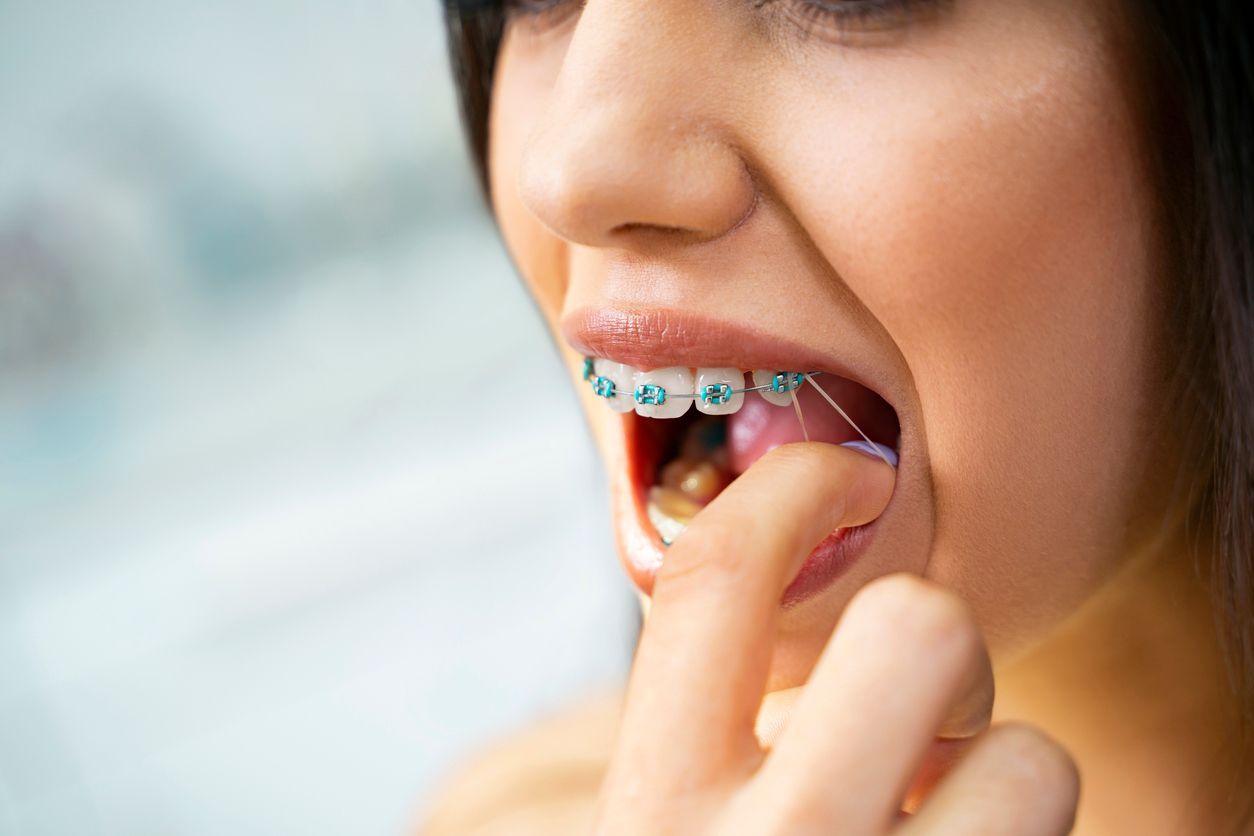
Orthodontic elastics, also often referred to by patients as rubber bands, are small, stretchy loops that attach to hooks on your brackets or aligners, applying targeted forces to your jaw in ways that correct your bite. 


Orthodontics isn’t just about straight teeth, it’s about bringing your teeth, jaws, and bite into harmonious alignment. And using elastic bands on braces can be a critical component of that process when a patient needs them. 


It’s also worth noting that orthodontic elastics aren’t to be confused with elastic ligatures. Ligatures are the small bands that loop around each individual bracket and hold the archwire in place. Meanwhile, orthodontic elastics hook onto your upper and lower braces, stretching between the two. 


What Are Elastics for on Braces?


So the question you’re probably wondering is what do elastics do for braces, exactly? 


In short, they provide a way to correct a misaligned bite.

While the bracket and wire system of braces is great at aligning teeth, and can address some minor bite issues, there are more significant bite misalignments that braces alone can’t fix. 

That’s where orthodontic elastic bands come in. 


Unlike wires and brackets, which only apply force to teeth within a single arch, elastics hook between the upper and lower arches, applying forces across both jaws simultaneously.

An orthodontist can both position the elastics in specific ways and use bands with different strength ratings in order to apply the necessary forces to correct a wide range of bite misalignments.

Some examples include the following: 


Overbites:
This is where your upper teeth overlap your lower teeth too much.


Underbites:
The opposite of an overbite, where instead, your lower teeth sit in front of your upper teeth. 


Crossbites:
This is where your upper and lower teeth don’t line up properly and things can happen like your back molars of your upper teeth sitting inside of the back molars of your lower teeth. 


Midline Shifts:
This is where the centers of your upper and lower teeth don’t align.


A simple way of looking at this relationship between braces and elastics is braces move your teeth, while elastic rubber for braces move your bite into alignment. When needed, orthodontic elastics are an important part of giving you a smile that’s not only beautiful, but functional as well.


So, if you’ve been searching things like what do elastics do for braces or what are elastic bands on braces for, now you have your answer! Now let’s get into the types of elastic bands. 


Types of Elastic Bands for Braces: Class 1, 2, and 3


There are different types of elastic bands for braces and the class system is a way of categorizing them based on what they can correct.


Class 1
elastics are the least common elastics and unlike Class 2 and 3, don’t actually run between arches. Instead, they run horizontally along a single arch and are often used for things like closing a gap or repositioning a specific tooth. 


Class 2
elastics in orthodontics on the other hand stretch between the upper and lower arch where the rubber band hooks onto the upper canine or first premolar and then runs diagonally down to the lower molar. This applies a force that gradually brings the upper teeth back and the lower teeth forward, which corrects an overbite. 


Class 3
elastics orthodontics work in the opposite way, where the bands hook onto the lower canine or first premolar and then run diagonally up to the upper molar. This configuration creates forces that gradually move the upper teeth forward and the lower teeth back, which helps address an underbite.

The bands come in different sizes and force levels, and your orthodontist will determine which bands are best for your individual case. Everything in your treatment plan is carefully designed, with every decision from the strength of your bands to the positioning of them, being carefully considered to deliver you the best and most efficient results. 


What Brand of Orthodontic Elastics is Best?


You may have arrived here, because you searched for something like orthodontic elastics best brand, but the reality is you don’t need to worry about figuring out which bands to use, because your orthodontist will do that for you. Elastics come in different sizes and force levels, and the right combination will be dependent on your specific treatment plan. What matters isn’t the brand, but that you wear them as prescribed. 


Tips for Wearing Your Elastics


Elastics only work if you wear them and you wear them correctly. Unlike braces where they’re attached to your teeth and you don’t have to worry about doing anything other than keeping them clean, with elastics your active involvement in the process is key. 


Here’s how to make sure your treatment is both effective and efficient:

  • Wear your elastics consistently: Most orthodontists recommend wearing them 20-22 hours per day. 
  • Swap them 3 to 4 times every day: Elastics lose a lot of their force after a few hours, so swapping them out throughout the day is really important. Your orthodontist will let you know how often, but typically you should change them after every meal and before you go to bed. 
  •  Keep extras handy: Put some bands in your bag, your car, your desk, etc. Just common places for easy access when you need. 
  • Don’t double up: Some people might be tempted to wear two bands at once thinking it can quicken the process, but it’s important to never do this. Your bands are carefully chosen to apply the perfect amount of force to make your treatment as efficient as possible. Doubling up can cause serious damage to your tooth roots and can actually slow treatment. 
  • Hook them correctly: Make sure you’re hooking your elastics to the correct teeth to avoid moving things in the wrong direction. If you have any questions or are unclear about which teeth you should be attaching the bands to, ask your orthodontist. 


Being sore in the first few days of getting your elastics is completely normal and is a sign that treatment is working. With time and consistent wear that soreness will fade. 


Do Invisalign Patients Wear Elastics Too?


At this point we’ve covered how orthodontic elastics pair with braces to align your bite, but now you may be wondering what do orthodontic elastics do when it comes to Invisalign? Do they work with Invisalign as well?

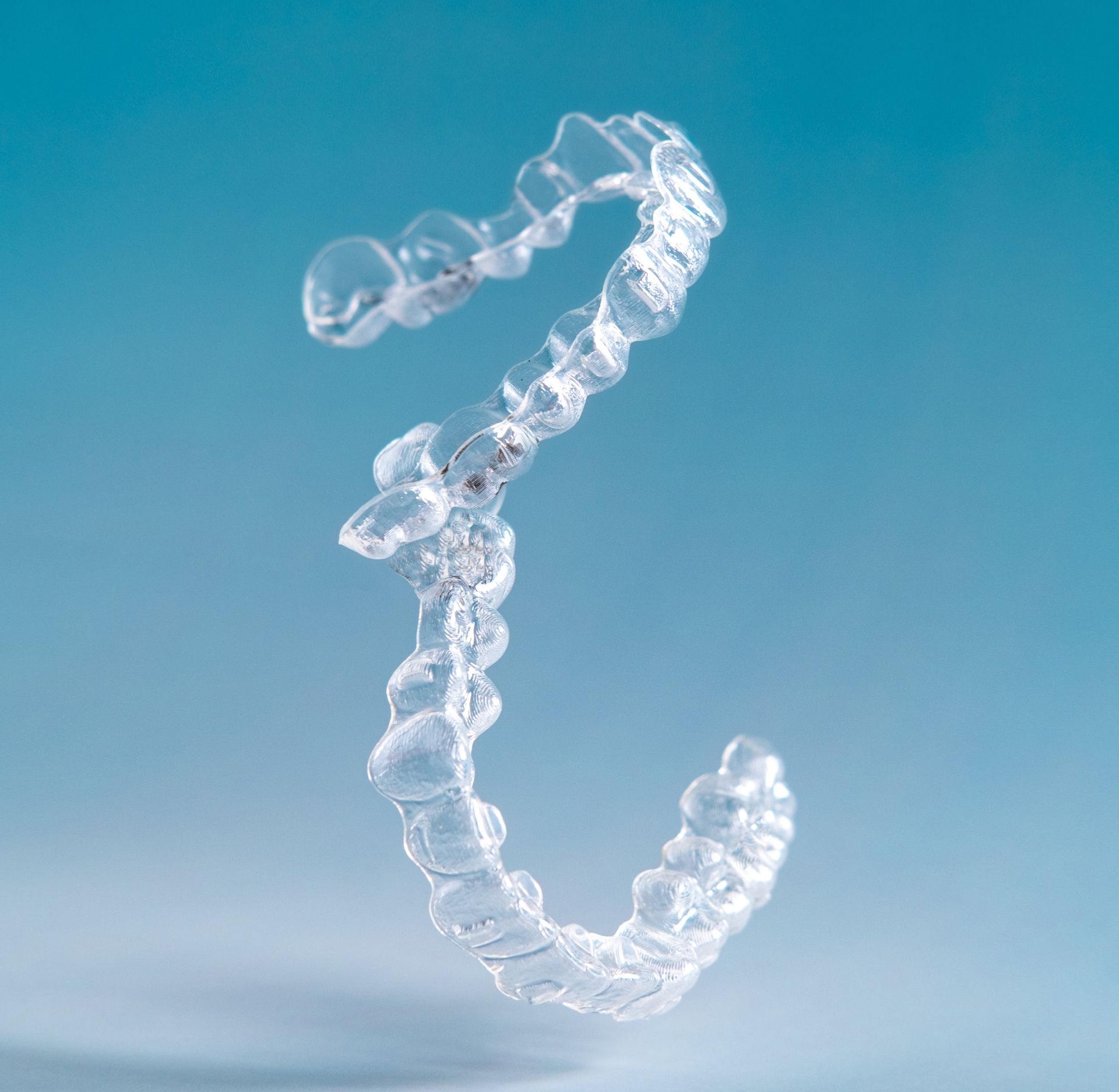
Short answer: yes. With Invisalign the elastic bands just attach to small tooth colored buttons bonded to the teeth or to precise cuts made in the aligner trays. Different setup than braces, but the same purpose: getting your bite into alignment so you can have a healthy and functional smile at the end of treatment. 


At Pierson & Saunders, we’re a Blue Diamond Invisalign provider, so we are well equipped to answer any questions you may have regarding Invisalign and the role that elastics may play. 


Conclusion


Whether you call them orthodontic elastics or rubber bands for braces, their purpose remains the same: making sure your bite is properly aligned so you have a truly healthy and functional smile. 


If you have any questions about elastics or are in San Antonio and are wondering what orthodontic treatment might look like for you or your child, schedule a free consultation with our team here at Pierson & Saunders. We’ll make sure your smile gets the attention it deserves. 

Get in touch

May 26, 2026
Noticed signs your teeth are shifting after braces? Learn what your retainer can and can't do — and what to do next. Free orthodontic consultations in San Antonio.
Close-up of a child's mouth showing missing front teeth and a playful smile
May 8, 2026
Discover the best way to straighten teeth without braces! Explore alternatives like clear aligners, removable braces, and dental veneers. Learn more now!
April 21, 2026
Everyone has insecurities. Some are small, some are big. Some you can change, some you have no control over. To have insecurities is to be human! For many people, something in the “I wish I could fix this” category is a gummy smile. This is an extremely common cosmetic concern that has many people zooming in on photos and asking questions like why do my gums show when I smile? Which is then typically followed up with questions like: what causes a gummy smile? What does gummy smile treatment look like? Or how to fix gummy smile? The reality is that gummy smiles aren’t all created equal. There’s a wide range of root causes, and because of this, there’s an equally wide range of treatment options. In recent years, a treatment option that has blown up in popularity is the lip flip. Scroll through social media, and you’ll find thousands of lip flip before and after transformations. What is a lip flip? It’s a Botox-based treatment that relaxes your upper lip, so it sits lower and covers more of your gums, while also giving the lip a fuller appearance. It’s a quick fix that can look great, and for some people, this temporary cosmetic workaround might be all they’re looking for. However, for others, where their gummy smile has functional root causes, like the way their teeth sit, how their jaw is developed, or how their bite functions, a simple lip flip won’t truly fix the appearance of a gum smile. In this guide, we’ll discuss what actually causes a gummy smile, how to tell what could be causing yours, and explore what gummy smile treatment options exist. By the end, you’ll understand why an orthodontist should be your first call when figuring out how to correct your gummy smile. What is a Gummy Smile Exactly? While some studies will try to link an exact measurement to what defines a gummy smile, it’s less about a number and more about how your smile makes you feel. If you notice that your gums show when smiling more than you’d like them to and you wish your top gums were less visible, then it makes sense to explore gummy smile treatment. And it’s worth noting that it’s okay to care about this! Some people might feel superficial caring about a gummy smile. But wanting your smile to feel balanced and avoid the appearance of having large gums and small teeth is completely normal. Smiling is one of the best things we do as humans and you should never have to feel self conscious about yours. So now that we got that out of the way, let’s get into what can cause excessive gingival display. What Causes a Gummy Smile? A wide range of factors can cause a gummy smile, and understanding the root cause is hugely important in picking the right gummy smile treatment. So if you’ve been wondering stuff like why do I have a gummy smile, or why do some people have gummy smiles while others don’t, then this section will give you some much needed clarity! Teeth Don’t Fully Erupt Sometimes conditions will limit a person’s teeth from fully erupting during development. They remain stuck further up in the gums, creating an appearance of tiny teeth big gums. However, in reality the teeth aren’t actually small and the person doesn’t really have abnormally long gums; the teeth just haven’t fully emerged from the gum line. In these cases, an orthodontist or periodontist can have a significant impact in changing the appearance of a person’s smile. Jaw Development Issue (Vertical Maxillary Excess) Gummy smiles can also be caused from a skeletal imbalance between the upper and lower jaw where the upper jaw grows too far downward during development. This imbalance is called vertical maxillary excess and makes it so there’s more visible gums when smiling. It’s often genetic and can also come with serious bite issues like an open bite. For an imbalance like this, the gummy smile isn’t just a cosmetic issue, it’s a functional one as well. For mild to moderate cases, it’s possible for orthodontics alone to make a meaningful difference in bringing proper alignment to the jaws. However, for more serious cases, it could require surgical orthodontics. Hyperactive Upper Lip A hyperactive upper lip is when there is a muscular issue with a person’s lip that makes it so their lip functions properly at rest, but rises higher than typical when they smile. Essentially, when the lip muscles contract, they do so more forcefully and it causes the upper lip to travel higher than average. In this case, a lip flip could actually be a great fit, because the Botox is able to relax the overactive muscles. However, the solution is temporary (only lasts 3 to 4 months), so it requires consistent maintenance. And if there’s an underlying issue related to the person’s bite or teeth then a lip flip alone might not give a complete result. Gum Overgrowth (Gingival Hypertrophy) There’s other scenarios where the gum tissues themselves are actually thicker or longer than average, and are covering more surface area of your teeth than normal. This gives the appearance of a gum smile as your teeth appear to be buried under the high gums. It’s a condition that can have many different causes, from genetics to a side effect of certain medications to hormonal changes. Correcting it typically requires either a gingivectomy or a crown lengthening procedure in order to remove the excess gum and reshape the tissues to better frame the teeth. A Combination of the Above In many patients, a gummy mouth is actually caused by a number of these factors, all coming together to create a situation where there’s more gums showing while smiling. For example, you could have slightly shorter teeth, a mildly overactive lip, and a bite that needs correction. The complexity of the causes behind gummy smiles is why getting a professional consultation is important. Orthodontists are trained to assess how the teeth, jaw, bite, and gums all work together, making them uniquely positioned to understand the true nature of your gummy smile. Gummy Smile vs. Normal Smile: What’s the Difference? When you’re comparing a gummy smile vs normal smile, you shouldn't boil it down to a number. The reality is that showing a little bit of gums when you smile is totally normal. Most people do. And if your gums show when smiling more than average, but it doesn’t bother you, then don’t sweat it! When a gummy smile becomes a problem is when it begins to affect how you feel about yourself or how you interact with the world. For example, you might find yourself looking at photos and seeing more gums than teeth. Perhaps you avoid smiling as wide as you want or even cover up your smile because you’re afraid of showing gums. When the fear of gummy teeth reaches this point, it’s time to start looking into how to fix a gummy smile. How to Fix a Gummy Smile: Understanding Your Real Options If you’ve been researching how to fix a gummy smile or how to get rid of a gummy smile you’ve probably come across all kinds of treatment options from Botox, to surgery, to home remedies. As you now know from reading about what causes gummy smiles, the treatment that works is completely dependent on the cause. The Lip Flip: What It Is, When It Works, and When It Doesn’t A lip flip is a cosmetic procedure where small amounts of Botox are injected into the muscle that controls the upper lip. The Botox causes the muscle to relax, and the lip “flips” slightly upward and outward, relaxing over the gums. Let’s get a few questions out of the way: How long does a lip flip take? The procedure takes about 10 minutes. How much does a lip flip cost? It typically costs anywhere from $75 to $200 per session. How long does a lip flip last? Results will normally last about 3 to 4 months. It’s possible that you found this article by researching something like how to fix gummy smile Botox, or maybe you were just down a rabbit hole looking at lip flip before and after photos. Some of the results are certainly impressive and if a hyperactive upper lip is the primary cause of your gummy smile, then it could be a good treatment option. Here’s a breakdown of some pros and cons: When the lip flip makes sense: When a hyperactive upper lip is the root cause of your gummy smile, and there aren’t any issues with teeth alignment, gum shape/ size, or jaw position, then using Botox to relax an overactive muscle could provide you with a satisfying improvement. When the lip flip isn’t the answer: If your gummy smile is caused by gum overgrowth, short or crowded teeth, an imbalanced bite, or a jaw that’s out of position, then a lip flip really won’t be an effective solution. And think about it from a mathematical standpoint. If you’re spending an average of $150, 4 times per year, that’s $600, which over 5 years is $3,000. Meanwhile, there’s no actual improvement to addressing the root cause, and so you’ll have to continue making those quarterly payments with no end in sight. How Orthodontics Can Fix a Gummy Smile, Permanently For many patients, an orthodontic treatment option can be the most effective gummy smile fix. Especially when the cause of the gummy smile is structural. The great thing about orthodontics, is that unlike a lip flip, it addresses the root cause of the problem and the results aren’t temporary. With orthodontics you can get some truly amazing gummy smile before and after results. Whether it’s correcting how teeth are positioned, or changing the alignment of the bite or jaw, orthodontics can not only improve the aesthetics of your smile, but also fix underlying functional issues that coincide with your gummy smile. Braces for Gummy Smiles Traditional braces are an effective tool for correcting gummy smiles when they’re caused by vertical tooth positioning or involve problems with your bite. Braces have come a long way over the years, becoming far more comfortable and precise than they once were. When exploring this option, you’ll come across two types of traditional braces: metal and clear/ ceramic braces. Functionality wise they operate the same. It’s more a matter of your personal aesthetic preference. At Pierson & Saunders Orthodontics in San Antonio, we use a combination of innovative technologies like the iTero 3D digital scanner, and modern techniques like indirect bonding to ensure that gummy smile treatment is precise, efficient, and comfortable. Invisalign for Gummy Smiles Invisalign is a more discrete option than traditional braces and can also be a powerful tool for correcting gummy smiles. It’s especially helpful when the teeth need to be moved upward, or crooked teeth need to be repositioned in a way that less gums show. If the problem is tooth positioning, Invisalign could be a great option. At Pierson & Saunders we deliver aligner plans that are truly personalized to you and as a Blue Diamond Invisalign Provider, we are an experienced and trusted partner for making sure treatment achieves your desired goals as efficiently as possible. Surgical Orthodontics for Complex Cases For gummy smile cases involving jaw positioning, like when there’s significant vertical maxillary excess, gummy smile gum surgery in the form of surgical orthodontics may be necessary. This option is for more complex cases, when orthodontics alone can’t bring your jaw back into proper alignment. When this is the case, you and your orthodontist work closely with an oral and maxillofacial surgeon who surgically repositions your jaw into proper alignment. At Pierson & Saunders we would be able to coordinate this care closely with one of our trusted surgical partners in the San Antonio area. Other Gummy Smile Treatment Options  Orthodontics is often at the center of how to fix gummy smile problems, since it addresses the underlying structural issues causing the gummy teeth appearance. But there are other treatments that could come into play during a person’s corrective plan. Crown Lengthening Procedure The crown lengthening procedure is a periodontal surgical treatment that removes excess gum tissue, while also reshaping the underlying bone that holds your teeth in place. By doing so, the crown of your tooth (the visible part of your tooth) appears to be longer, reducing the appearance of big gums teeth. Gingivectomy A gingivectomy also reshapes the gum line and reduces gum tissue overgrowth, but unlike the crown lengthening procedure, doesn’t involve altering bone. It’s often performed with a laser and recovery is pretty quick. If the primary reason you have particularly visible gums while smiling is due to gum overgrowth, then a gingivectomy is a nice and simple solution. Lip Repositioning Surgery Lip repositioning surgery is for those who have a hyperactive upper lip, but want a permanent alternative to repeated Botox injections. This surgery modifies the tissue inside the lip, so that it doesn’t rise up as high when you smile. It’s obviously more invasive than a lip flip, but it has lasting results. It’s an option that’s explored after all other structural concerns connected with a person’s gummy smile have been addressed. How to Fix a Gummy Smile Naturally or Without Surgery Many people search for how to fix a gummy smile naturally or how to fix a gummy smile without surgery. Ultimately, whether or not a natural or non-surgical fix is the best treatment option depends on the cause of the gummy smile. For example, if the cause of your gummy smile is a hyperactive upper lip, then a lip flip could be a good non-surgical option. Or if the positioning of your teeth is the main culprit, then Invisalign or traditional metal or ceramic braces could be effective non-surgical methods. Ultimately, it’s important to set up an orthodontic appointment so that they can do an in-depth evaluation and figure out your best path forward. How Much Does It Cost to Fix a Gummy Smile? At this point, you’re probably wondering, how much does it cost to fix a gummy smile? As you can imagine, it varies significantly depending on the cause and treatment. Here’s a general breakdown: Lip Flip Cost (Botox): It’s roughly $75 - $200 per session and to maintain the appearance you’ll need to receive an injection every 3-4 months, indefinitely. Cost of Gingivectomy / Crown Lengthening: $1,000 to $4,000+ depending on the scope of the procedure, but typically only a one-time procedure. Cost of Invisalign/ Cost of Braces: This is where cost gets harder to estimate, because it truly depends on the complexity of your case. However, at Pierson & Saunders we offer flexible payment plans and complimentary consultations so you can understand costs before starting treatment. Surgical Orthodontics Cost: This is the most expensive treatment option and is often a significant investment, but is also often covered in part by dental insurance when there are functional issues at play. One thing to keep in mind when you’re doing the lip flip vs orthodontics cost comparison is that while a lip flip may feel affordable at first, the recurring cost can add up quickly. The nice thing about orthodontic treatment is there’s a defined cost and a defined endpoint where at the end of treatment, the root cause of your gummy smile will have been addressed. You’ll have a gummy smile fix that lasts a lifetime. What to Do First: Start With a Consultation If you’re smiling with gums showing, and aren’t sure how to begin your journey of gummy smile treatment, the best thing you can do is set up a proper evaluation before assuming anything about what’s causing your gummy teeth appearance. During this initial orthodontic appointment, your orthodontist will evaluate your teeth, bite, jaw, and gums, determining if your gummy smile is caused by muscular, structural, dental, or skeletal issues. From here, they’ll be able to recommend treatment, so you can have a clear idea of the best path forward. Something to keep in mind: Many patients will come into their initial orthodontic consultation thinking that their gummy smile is simply a cosmetic concern; when in reality, a gummy smile is a symptom of a larger functional issue. For example, it could indicate a misalignment with your bite that could create jaw tension and lead to discomfort while chewing. This is why it’s so important to see an orthodontic specialist who can make sure everything is in balance and functioning properly. At Pierson & Saunders Orthodontics in San Antonio, we offer initial consultations that are complimentary. Both Dr. Bradley Pierson and Dr. Kristin Saunders are board-certified orthodontists, and have extensive experience treating everyone from kids to teens to adults. With all of the latest technology, like the iTero 3D digital scan machine, we can get a precise and comprehensive understanding of your oral structure. We’ll then walk you through what we’re seeing and why we’d recommend different treatment options. This way, you’ll leave your appointment with a clear plan, timeline, and understanding of your payment options, so you can make an educated decision on how to move forward. We have two convenient locations in San Antonio: North Loop 8358 N Loop 1604 W. San Antonio, TX 78249 (210) 695-1116 Alamo Ranch 11923 Culebra Rd. San Antonio, TX 78253 (210) 981-6264 Conclusion The bottom line is that a gummy smile isn’t a problem with one solution. The causes of each gummy smile are unique to the individual and therefore gummy smile treatment is also unique. The lip flip has its place and we aren’t here to dismiss it, but it’s often more of a temporary cosmetic solution than a structural correction. If you’re considering getting a lip flip to treat your gummy smile, we highly recommend first setting up an orthodontic appointment, so you can have a clear understanding of what’s driving your gummy smile. By understanding the root cause of your gummy smile you give yourself the chance to learn how to fix your gummy smile for good, so you can have your own gummy smile before and after results that don’t wear off after 4 months. Come visit us at Pierson & Saunders Orthodontics, named a Top Dentist by San Antonio Magazine, a peer-nominated honor where local dental professionals nominate the colleagues they trust most. We have two convenient locations in San Antonio and offer complimentary consultations, so there's no reason to put it off!
Show More
May 26, 2026
Noticed signs your teeth are shifting after braces? Learn what your retainer can and can't do — and what to do next. Free orthodontic consultations in San Antonio.
Close-up of a child's mouth showing missing front teeth and a playful smile
May 8, 2026
Discover the best way to straighten teeth without braces! Explore alternatives like clear aligners, removable braces, and dental veneers. Learn more now!
April 21, 2026
Everyone has insecurities. Some are small, some are big. Some you can change, some you have no control over. To have insecurities is to be human! For many people, something in the “I wish I could fix this” category is a gummy smile. This is an extremely common cosmetic concern that has many people zooming in on photos and asking questions like why do my gums show when I smile? Which is then typically followed up with questions like: what causes a gummy smile? What does gummy smile treatment look like? Or how to fix gummy smile? The reality is that gummy smiles aren’t all created equal. There’s a wide range of root causes, and because of this, there’s an equally wide range of treatment options. In recent years, a treatment option that has blown up in popularity is the lip flip. Scroll through social media, and you’ll find thousands of lip flip before and after transformations. What is a lip flip? It’s a Botox-based treatment that relaxes your upper lip, so it sits lower and covers more of your gums, while also giving the lip a fuller appearance. It’s a quick fix that can look great, and for some people, this temporary cosmetic workaround might be all they’re looking for. However, for others, where their gummy smile has functional root causes, like the way their teeth sit, how their jaw is developed, or how their bite functions, a simple lip flip won’t truly fix the appearance of a gum smile. In this guide, we’ll discuss what actually causes a gummy smile, how to tell what could be causing yours, and explore what gummy smile treatment options exist. By the end, you’ll understand why an orthodontist should be your first call when figuring out how to correct your gummy smile. What is a Gummy Smile Exactly? While some studies will try to link an exact measurement to what defines a gummy smile, it’s less about a number and more about how your smile makes you feel. If you notice that your gums show when smiling more than you’d like them to and you wish your top gums were less visible, then it makes sense to explore gummy smile treatment. And it’s worth noting that it’s okay to care about this! Some people might feel superficial caring about a gummy smile. But wanting your smile to feel balanced and avoid the appearance of having large gums and small teeth is completely normal. Smiling is one of the best things we do as humans and you should never have to feel self conscious about yours. So now that we got that out of the way, let’s get into what can cause excessive gingival display. What Causes a Gummy Smile? A wide range of factors can cause a gummy smile, and understanding the root cause is hugely important in picking the right gummy smile treatment. So if you’ve been wondering stuff like why do I have a gummy smile, or why do some people have gummy smiles while others don’t, then this section will give you some much needed clarity! Teeth Don’t Fully Erupt Sometimes conditions will limit a person’s teeth from fully erupting during development. They remain stuck further up in the gums, creating an appearance of tiny teeth big gums. However, in reality the teeth aren’t actually small and the person doesn’t really have abnormally long gums; the teeth just haven’t fully emerged from the gum line. In these cases, an orthodontist or periodontist can have a significant impact in changing the appearance of a person’s smile. Jaw Development Issue (Vertical Maxillary Excess) Gummy smiles can also be caused from a skeletal imbalance between the upper and lower jaw where the upper jaw grows too far downward during development. This imbalance is called vertical maxillary excess and makes it so there’s more visible gums when smiling. It’s often genetic and can also come with serious bite issues like an open bite. For an imbalance like this, the gummy smile isn’t just a cosmetic issue, it’s a functional one as well. For mild to moderate cases, it’s possible for orthodontics alone to make a meaningful difference in bringing proper alignment to the jaws. However, for more serious cases, it could require surgical orthodontics. Hyperactive Upper Lip A hyperactive upper lip is when there is a muscular issue with a person’s lip that makes it so their lip functions properly at rest, but rises higher than typical when they smile. Essentially, when the lip muscles contract, they do so more forcefully and it causes the upper lip to travel higher than average. In this case, a lip flip could actually be a great fit, because the Botox is able to relax the overactive muscles. However, the solution is temporary (only lasts 3 to 4 months), so it requires consistent maintenance. And if there’s an underlying issue related to the person’s bite or teeth then a lip flip alone might not give a complete result. Gum Overgrowth (Gingival Hypertrophy) There’s other scenarios where the gum tissues themselves are actually thicker or longer than average, and are covering more surface area of your teeth than normal. This gives the appearance of a gum smile as your teeth appear to be buried under the high gums. It’s a condition that can have many different causes, from genetics to a side effect of certain medications to hormonal changes. Correcting it typically requires either a gingivectomy or a crown lengthening procedure in order to remove the excess gum and reshape the tissues to better frame the teeth. A Combination of the Above In many patients, a gummy mouth is actually caused by a number of these factors, all coming together to create a situation where there’s more gums showing while smiling. For example, you could have slightly shorter teeth, a mildly overactive lip, and a bite that needs correction. The complexity of the causes behind gummy smiles is why getting a professional consultation is important. Orthodontists are trained to assess how the teeth, jaw, bite, and gums all work together, making them uniquely positioned to understand the true nature of your gummy smile. Gummy Smile vs. Normal Smile: What’s the Difference? When you’re comparing a gummy smile vs normal smile, you shouldn't boil it down to a number. The reality is that showing a little bit of gums when you smile is totally normal. Most people do. And if your gums show when smiling more than average, but it doesn’t bother you, then don’t sweat it! When a gummy smile becomes a problem is when it begins to affect how you feel about yourself or how you interact with the world. For example, you might find yourself looking at photos and seeing more gums than teeth. Perhaps you avoid smiling as wide as you want or even cover up your smile because you’re afraid of showing gums. When the fear of gummy teeth reaches this point, it’s time to start looking into how to fix a gummy smile. How to Fix a Gummy Smile: Understanding Your Real Options If you’ve been researching how to fix a gummy smile or how to get rid of a gummy smile you’ve probably come across all kinds of treatment options from Botox, to surgery, to home remedies. As you now know from reading about what causes gummy smiles, the treatment that works is completely dependent on the cause. The Lip Flip: What It Is, When It Works, and When It Doesn’t A lip flip is a cosmetic procedure where small amounts of Botox are injected into the muscle that controls the upper lip. The Botox causes the muscle to relax, and the lip “flips” slightly upward and outward, relaxing over the gums. Let’s get a few questions out of the way: How long does a lip flip take? The procedure takes about 10 minutes. How much does a lip flip cost? It typically costs anywhere from $75 to $200 per session. How long does a lip flip last? Results will normally last about 3 to 4 months. It’s possible that you found this article by researching something like how to fix gummy smile Botox, or maybe you were just down a rabbit hole looking at lip flip before and after photos. Some of the results are certainly impressive and if a hyperactive upper lip is the primary cause of your gummy smile, then it could be a good treatment option. Here’s a breakdown of some pros and cons: When the lip flip makes sense: When a hyperactive upper lip is the root cause of your gummy smile, and there aren’t any issues with teeth alignment, gum shape/ size, or jaw position, then using Botox to relax an overactive muscle could provide you with a satisfying improvement. When the lip flip isn’t the answer: If your gummy smile is caused by gum overgrowth, short or crowded teeth, an imbalanced bite, or a jaw that’s out of position, then a lip flip really won’t be an effective solution. And think about it from a mathematical standpoint. If you’re spending an average of $150, 4 times per year, that’s $600, which over 5 years is $3,000. Meanwhile, there’s no actual improvement to addressing the root cause, and so you’ll have to continue making those quarterly payments with no end in sight. How Orthodontics Can Fix a Gummy Smile, Permanently For many patients, an orthodontic treatment option can be the most effective gummy smile fix. Especially when the cause of the gummy smile is structural. The great thing about orthodontics, is that unlike a lip flip, it addresses the root cause of the problem and the results aren’t temporary. With orthodontics you can get some truly amazing gummy smile before and after results. Whether it’s correcting how teeth are positioned, or changing the alignment of the bite or jaw, orthodontics can not only improve the aesthetics of your smile, but also fix underlying functional issues that coincide with your gummy smile. Braces for Gummy Smiles Traditional braces are an effective tool for correcting gummy smiles when they’re caused by vertical tooth positioning or involve problems with your bite. Braces have come a long way over the years, becoming far more comfortable and precise than they once were. When exploring this option, you’ll come across two types of traditional braces: metal and clear/ ceramic braces. Functionality wise they operate the same. It’s more a matter of your personal aesthetic preference. At Pierson & Saunders Orthodontics in San Antonio, we use a combination of innovative technologies like the iTero 3D digital scanner, and modern techniques like indirect bonding to ensure that gummy smile treatment is precise, efficient, and comfortable. Invisalign for Gummy Smiles Invisalign is a more discrete option than traditional braces and can also be a powerful tool for correcting gummy smiles. It’s especially helpful when the teeth need to be moved upward, or crooked teeth need to be repositioned in a way that less gums show. If the problem is tooth positioning, Invisalign could be a great option. At Pierson & Saunders we deliver aligner plans that are truly personalized to you and as a Blue Diamond Invisalign Provider, we are an experienced and trusted partner for making sure treatment achieves your desired goals as efficiently as possible. Surgical Orthodontics for Complex Cases For gummy smile cases involving jaw positioning, like when there’s significant vertical maxillary excess, gummy smile gum surgery in the form of surgical orthodontics may be necessary. This option is for more complex cases, when orthodontics alone can’t bring your jaw back into proper alignment. When this is the case, you and your orthodontist work closely with an oral and maxillofacial surgeon who surgically repositions your jaw into proper alignment. At Pierson & Saunders we would be able to coordinate this care closely with one of our trusted surgical partners in the San Antonio area. Other Gummy Smile Treatment Options  Orthodontics is often at the center of how to fix gummy smile problems, since it addresses the underlying structural issues causing the gummy teeth appearance. But there are other treatments that could come into play during a person’s corrective plan. Crown Lengthening Procedure The crown lengthening procedure is a periodontal surgical treatment that removes excess gum tissue, while also reshaping the underlying bone that holds your teeth in place. By doing so, the crown of your tooth (the visible part of your tooth) appears to be longer, reducing the appearance of big gums teeth. Gingivectomy A gingivectomy also reshapes the gum line and reduces gum tissue overgrowth, but unlike the crown lengthening procedure, doesn’t involve altering bone. It’s often performed with a laser and recovery is pretty quick. If the primary reason you have particularly visible gums while smiling is due to gum overgrowth, then a gingivectomy is a nice and simple solution. Lip Repositioning Surgery Lip repositioning surgery is for those who have a hyperactive upper lip, but want a permanent alternative to repeated Botox injections. This surgery modifies the tissue inside the lip, so that it doesn’t rise up as high when you smile. It’s obviously more invasive than a lip flip, but it has lasting results. It’s an option that’s explored after all other structural concerns connected with a person’s gummy smile have been addressed. How to Fix a Gummy Smile Naturally or Without Surgery Many people search for how to fix a gummy smile naturally or how to fix a gummy smile without surgery. Ultimately, whether or not a natural or non-surgical fix is the best treatment option depends on the cause of the gummy smile. For example, if the cause of your gummy smile is a hyperactive upper lip, then a lip flip could be a good non-surgical option. Or if the positioning of your teeth is the main culprit, then Invisalign or traditional metal or ceramic braces could be effective non-surgical methods. Ultimately, it’s important to set up an orthodontic appointment so that they can do an in-depth evaluation and figure out your best path forward. How Much Does It Cost to Fix a Gummy Smile? At this point, you’re probably wondering, how much does it cost to fix a gummy smile? As you can imagine, it varies significantly depending on the cause and treatment. Here’s a general breakdown: Lip Flip Cost (Botox): It’s roughly $75 - $200 per session and to maintain the appearance you’ll need to receive an injection every 3-4 months, indefinitely. Cost of Gingivectomy / Crown Lengthening: $1,000 to $4,000+ depending on the scope of the procedure, but typically only a one-time procedure. Cost of Invisalign/ Cost of Braces: This is where cost gets harder to estimate, because it truly depends on the complexity of your case. However, at Pierson & Saunders we offer flexible payment plans and complimentary consultations so you can understand costs before starting treatment. Surgical Orthodontics Cost: This is the most expensive treatment option and is often a significant investment, but is also often covered in part by dental insurance when there are functional issues at play. One thing to keep in mind when you’re doing the lip flip vs orthodontics cost comparison is that while a lip flip may feel affordable at first, the recurring cost can add up quickly. The nice thing about orthodontic treatment is there’s a defined cost and a defined endpoint where at the end of treatment, the root cause of your gummy smile will have been addressed. You’ll have a gummy smile fix that lasts a lifetime. What to Do First: Start With a Consultation If you’re smiling with gums showing, and aren’t sure how to begin your journey of gummy smile treatment, the best thing you can do is set up a proper evaluation before assuming anything about what’s causing your gummy teeth appearance. During this initial orthodontic appointment, your orthodontist will evaluate your teeth, bite, jaw, and gums, determining if your gummy smile is caused by muscular, structural, dental, or skeletal issues. From here, they’ll be able to recommend treatment, so you can have a clear idea of the best path forward. Something to keep in mind: Many patients will come into their initial orthodontic consultation thinking that their gummy smile is simply a cosmetic concern; when in reality, a gummy smile is a symptom of a larger functional issue. For example, it could indicate a misalignment with your bite that could create jaw tension and lead to discomfort while chewing. This is why it’s so important to see an orthodontic specialist who can make sure everything is in balance and functioning properly. At Pierson & Saunders Orthodontics in San Antonio, we offer initial consultations that are complimentary. Both Dr. Bradley Pierson and Dr. Kristin Saunders are board-certified orthodontists, and have extensive experience treating everyone from kids to teens to adults. With all of the latest technology, like the iTero 3D digital scan machine, we can get a precise and comprehensive understanding of your oral structure. We’ll then walk you through what we’re seeing and why we’d recommend different treatment options. This way, you’ll leave your appointment with a clear plan, timeline, and understanding of your payment options, so you can make an educated decision on how to move forward. We have two convenient locations in San Antonio: North Loop 8358 N Loop 1604 W. San Antonio, TX 78249 (210) 695-1116 Alamo Ranch 11923 Culebra Rd. San Antonio, TX 78253 (210) 981-6264 Conclusion The bottom line is that a gummy smile isn’t a problem with one solution. The causes of each gummy smile are unique to the individual and therefore gummy smile treatment is also unique. The lip flip has its place and we aren’t here to dismiss it, but it’s often more of a temporary cosmetic solution than a structural correction. If you’re considering getting a lip flip to treat your gummy smile, we highly recommend first setting up an orthodontic appointment, so you can have a clear understanding of what’s driving your gummy smile. By understanding the root cause of your gummy smile you give yourself the chance to learn how to fix your gummy smile for good, so you can have your own gummy smile before and after results that don’t wear off after 4 months. Come visit us at Pierson & Saunders Orthodontics, named a Top Dentist by San Antonio Magazine, a peer-nominated honor where local dental professionals nominate the colleagues they trust most. We have two convenient locations in San Antonio and offer complimentary consultations, so there's no reason to put it off!
Show More

Share this article