Why Is Mouth Breathing Bad? Effects on Sleep, Oral Health, and Your Face
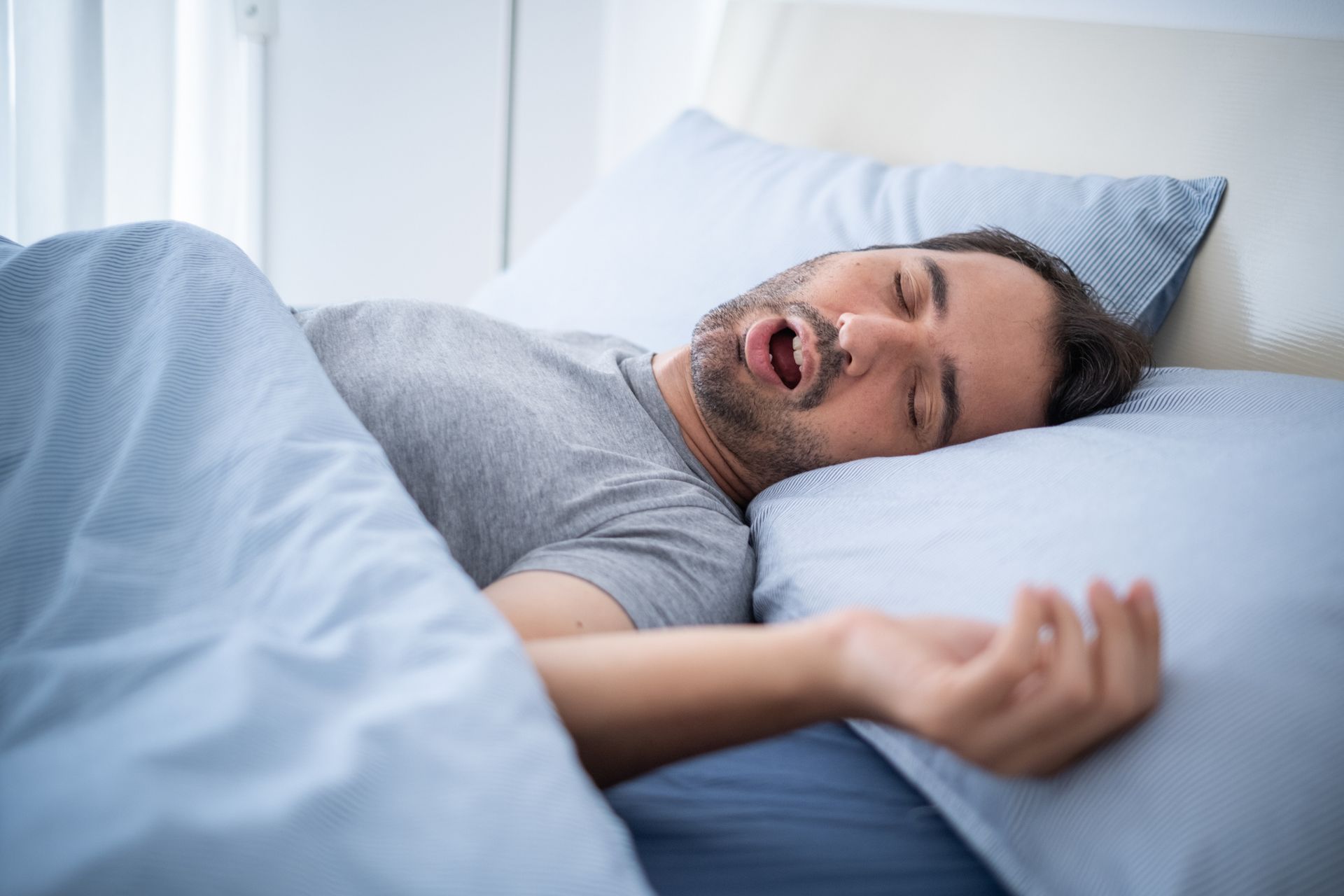
When it comes to mouth breathing vs nose breathing, the impacts on your health can be significant: mouth breathing bypasses the body’s natural air filtration system, dries out your mouth, and for children whose jaw and teeth are still developing, can permanently alter facial structure and dental development.
If you breathe through your mouth during exercise or during a sickness because you’re congested, that’s completely normal. The effects of mouth breathing we’re covering here relate specifically to chronic mouth breathing, where the primary form of air intake is through the mouth. When mouth breathing is left unaddressed, it creates a compounding set of problems that can affect everything from your sleep to your oral health to your facial development.
What is Mouth Breathing and Why Does It Happen?
The mouth breather meaning goes beyond its use as a slang term. Clinically, mouth breathing happens when your nasal passages are obstructed or restricted, and your body is forced to breathe in air through the mouth instead. The most common reasons why someone's nasal passages would be blocked include allergies, chronic nasal congestion, a deviated septum, enlarged tonsils or adenoids, and nasal polyps. Mouth breathing can also become a habitual pattern where the original nasal obstruction resolves, but you continue to breathe primarily through your mouth.
What Does Mouth Breathing Do to Your Face and Jaw?
Chronic mouth breathing during childhood can produce visible changes to a person’s facial structure with characteristic features including a longer face shape, narrowed jawline, recessed chin and an altered side profile.
The reason mouth breathing impacts children more than adults when it comes to facial structure, is because between the ages of 2 and 14 children are undergoing critical jaw and teeth development.
When your mouth stays open, your tongue drops away from the roof of your mouth. This might sound minor, but that pressure of the tongue on the roof of the mouth is what drives the upper jaw to develop forward and outward. Without the presence of the tongue on the roof of the mouth, the upper jaw narrows, and the entire jaw hinges backward and grows downward.
A 2021 systematic review and meta-analysis of 10 studies published in BMC Oral Health found that mouth-breathing children on average have nearly a 5 degree steeper jaw angle than nasal-breathing children, which supports that visibly elongated, downward-growing jaw development seen in chronic mouth breathers.
The hallmarks of what is clinically referred to as adenoid facies, or more commonly known as mouth breather face, are a long narrow face, open lips while at rest, a high palate, a weak mouth breathing jawline, and a recessed mouth breathing chin. When looking at mouth breathing side profile photos, the long term transformations of people before and after mouth breathing can be quite dramatic.
Can Mouth Breathing Face Be Reversed?
Whether mouth breathing face can be reversed depends a lot on age and whether the jaw and facial bones are still developing. During a child’s growth stage, it’s much easier to reverse the effects of mouth breathing, because there are ways to guide development.
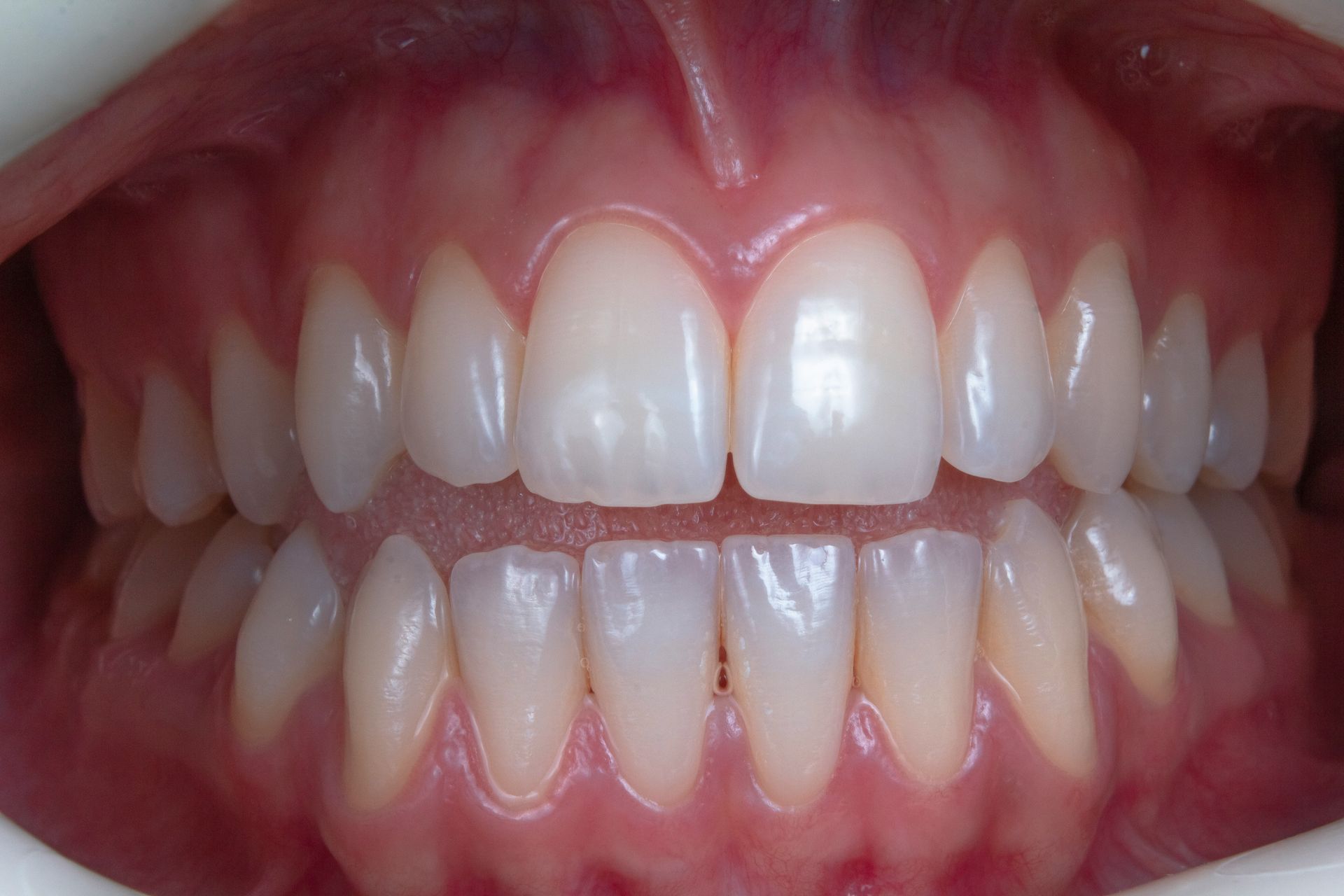
Adults, on the other hand, have a skeletal bone structure that is set, and there are some changes that could only be undone through surgical intervention. However, some dental consequences can absolutely be corrected with orthodontics like crowded teeth, bite misalignment, and narrow arches.
The takeaway from this: the earlier the better. The earlier that the mouth breathing effects are identified, the more likely treatment for mouth breathing will be effective.
Why Is Mouth Breathing Bad for Your Sleep?
Sleeping with your mouth open disrupts sleep because it repositions your airway into a configuration that is narrower and less stable, making it harder for air to move freely while you sleep.
When you breathe through your nose, air is traveling through rigid bony passages that hold their shape, maintaining a more stable airway structure throughout the night.
On the other hand, when you breathe through your mouth, air is traveling through the throat which is made of soft tissues that can collapse. The first thing that happens is that when your mouth stays open, your jaw and tongue shift down and back, which can physically obstruct the passage of air. Then the suction created from inhaling pulls the walls of your throat inward, narrowing the airway further. That narrowed and collapsible passage is what leads to snoring and in more severe cases, the passage can collapse entirely, completely blocking airflow. This is what’s referred to as an apnea event.
To put a number on just how much mouth breathing restricts the flow of air during sleep, research published in the European Respiratory Journal showed that mouth breathing vs nose breathing during sleep produces 2.5 times higher upper airway resistance. This essentially means that your body has to work more than twice as hard to move air through the throat than the nasal passages. This added effort and the disruptions caused by inconsistent airflow lead to fragmented deep sleep and is why sleeping with the mouth open often makes a person feel exhausted the next morning despite getting a full night’s sleep.
Chronic mouth breathing can also be a sign of obstructive sleep apnea (OSA), which is important to discuss with a healthcare provider.
If you’re wondering how to prevent mouth breathing at night, the answer starts with identifying whether the cause is structural, habitual, or both, and because of this it’s important to seek guidance from an orthodontist and healthcare provider.
How Does Mouth Breathing Affect Your Oral Health?
Mouth breathing is bad for your oral health because it dries out your mouth, creating a breeding ground for the bacteria that cause cavities, gum disease, and bad breath.
When it comes to maintaining good oral health, saliva is your body’s primary natural defense system, as it neutralizes acids, washes away food particles, and remineralizes enamel. When you breathe through your mouth, your saliva evaporates.
A peer reviewed study published in BioMed Research International found that mouth breathers had a 4 times higher risk of developing elevated levels of Streptococcus mutans (the harmful bacteria that causes cavities) than nasal breathers.
The American Dental Association also warns that a reduction of saliva in your mouth increases the risk of tooth decay, enamel demineralization, and gum disease. Often the first sign of your oral environment being disrupted is bad breath.
So, if you were wondering, does mouth breathing cause cavities? The answer is yes and the reason is because it causes your saliva to dry up, taking away your body’s primary defense system.
Treatment for Mouth Breathing: How Orthodontics Can Help
The good news is that effective treatment for mouth breathing exists, and orthodontic treatment, especially when started early, can be a key part of correcting the structural consequences of chronic mouth breathing.
At Pierson & Saunders Orthodontics in San Antonio, we can help you navigate mouth breathing treatment, and work alongside the necessary healthcare professionals to deliver you lasting results. Depending on what is discovered during the evaluation of your airway, jaw, and bite, treatment may include one or more of the following:
Palatal Expanders: Since mouth breathing in children causes the upper arch to narrow, a palatal expander can be a key part of treatment, as it’s used to gradually widen the jaw. Not only does this create space for proper tooth alignment, the expanded arch can also reduce nasal airway resistance, making it easier for a child to breathe through their nose.
Myofunctional Therapy: Mouth breathing therapy increasingly includes myofunctional exercises that are designed to retrain and strengthen the tongue, lips and facial muscles in a way that supports nasal breathing. These exercises help you keep your mouth closed, and your tongue properly positioned on the roof of the mouth. Myofunctional therapy is all about addressing the habitual component of mouth breathing.
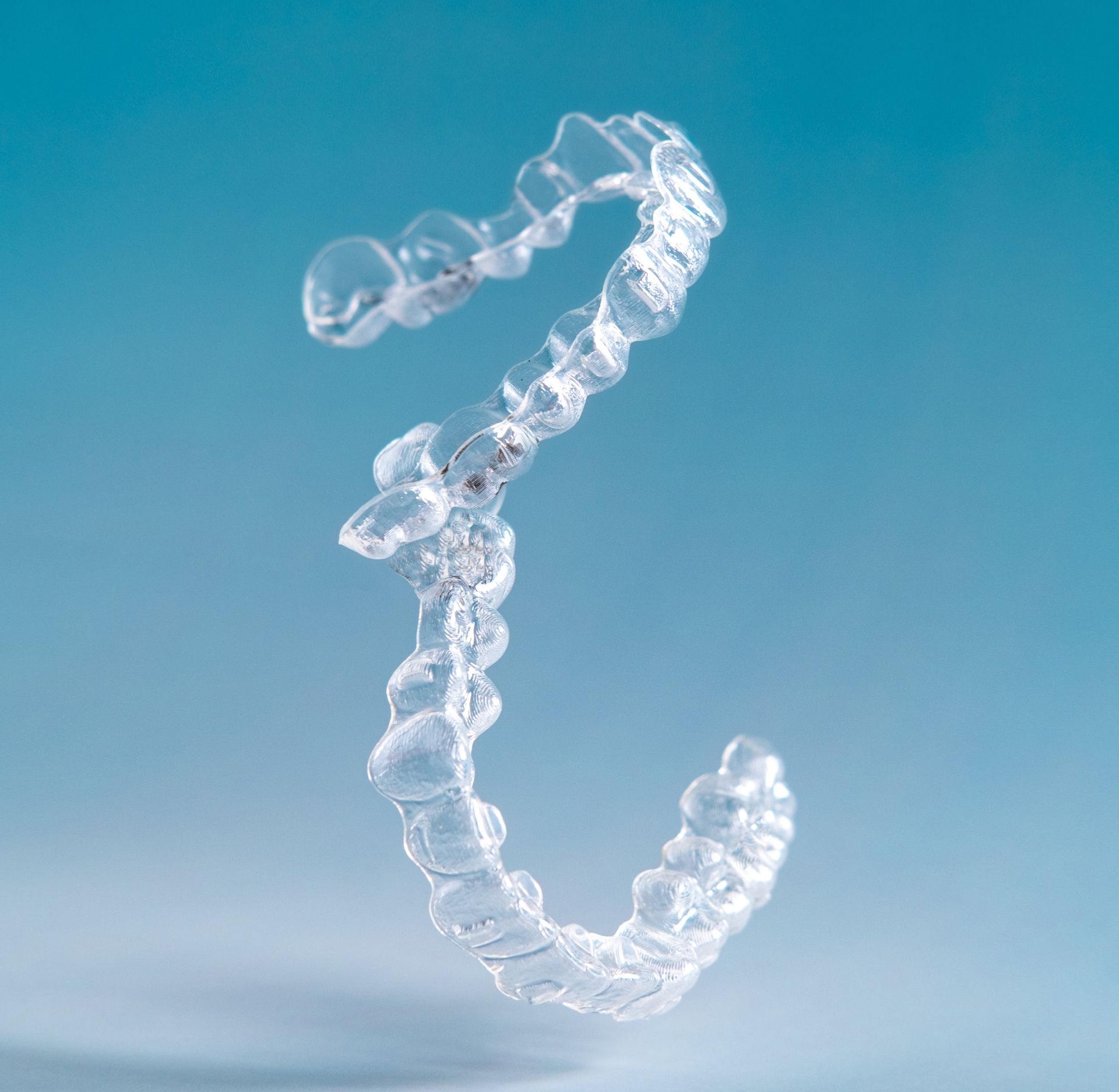
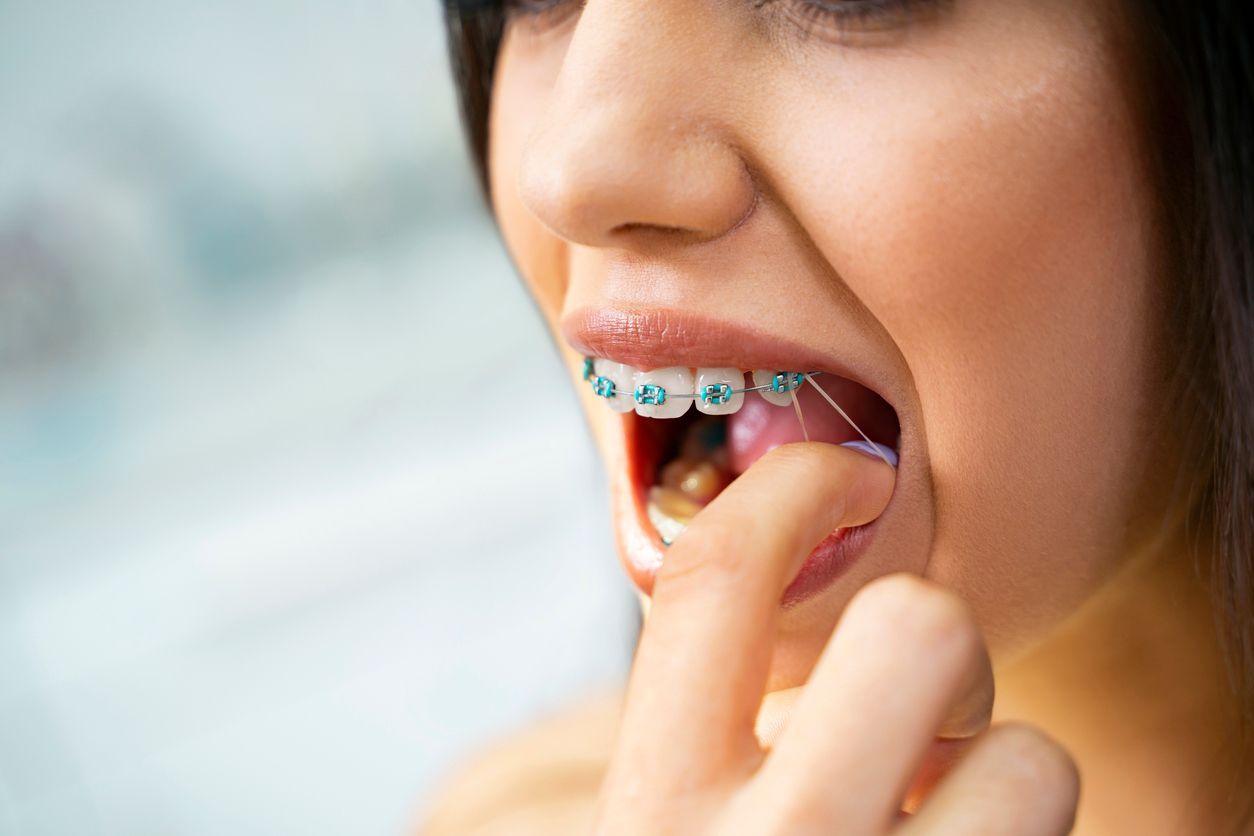
Braces or Clear Aligners: When the upper arch narrows due to chronic mouth breathing, it can lead to crowding, open bites, along with other bite misalignments. Braces and clear aligners can be used to bring your teeth and bite back into alignment.
ENT Referral: Working with an ENT specialist can be a critical piece of your mouth breathing treatment plan, as they can treat the underlying causes of mouth breathing whether that’s enlarged adenoids, a deviated septum, chronic allergic rhinitis, etc. Treating the airway alongside the orthodontic consequences of mouth breathing creates better treatment outcomes, because you’re addressing everything much more holistically.
It’s important to note that there isn’t a single mouth breathing cure that works for everyone, as the right treatment depends on factors like age, severity, and whether it’s structural, habitual, or both. However, the one thing that rings true regardless of the case is that the earlier mouth breathing is identified and addressed, the more treatment options there are and the more effective those treatment options tend to be.
If you have concerns about mouth breathing for either yourself or your child, reach out to us at Pierson & Saunders Orthodontics in San Antonio today.
Get in touch
We will get back to you as soon as possible.
Please try again later.
Sources
Zhao Z, Zheng L, Huang X, Li C, Liu J, Hu Y. Effects of mouth breathing on facial skeletal development in children: a systematic review and meta-analysis. BMC Oral Health. 2021;21(1):108. https://pubmed.ncbi.nlm.nih.gov/33691678/
Mummolo S, Nota A, Caruso S, Quinzi V, Marchetti E, Marzo G. Salivary markers and microbial flora in mouth breathing late adolescents.
BioMed Research International. 2018;2018:8687608.
https://www.ncbi.nlm.nih.gov/pmc/articles/PMC5859862/
American Dental Association. Xerostomia (Dry Mouth).
MouthHealthy.org.
https://www.mouthhealthy.org/all-topics-a-z/dry-mouth
Fitzpatrick MF, McLean H, Urton AM, Tan A, O'Donnell D, Driver HS. Effect of nasal or oral breathing route on upper airway resistance during sleep.
European Respiratory Journal. 2003;22(5):827-832.
https://pubmed.ncbi.nlm.nih.gov/14621092/
Share this article