Getting Your Braces Off: What to Expect, How Long It Takes, and Does It Hurt?

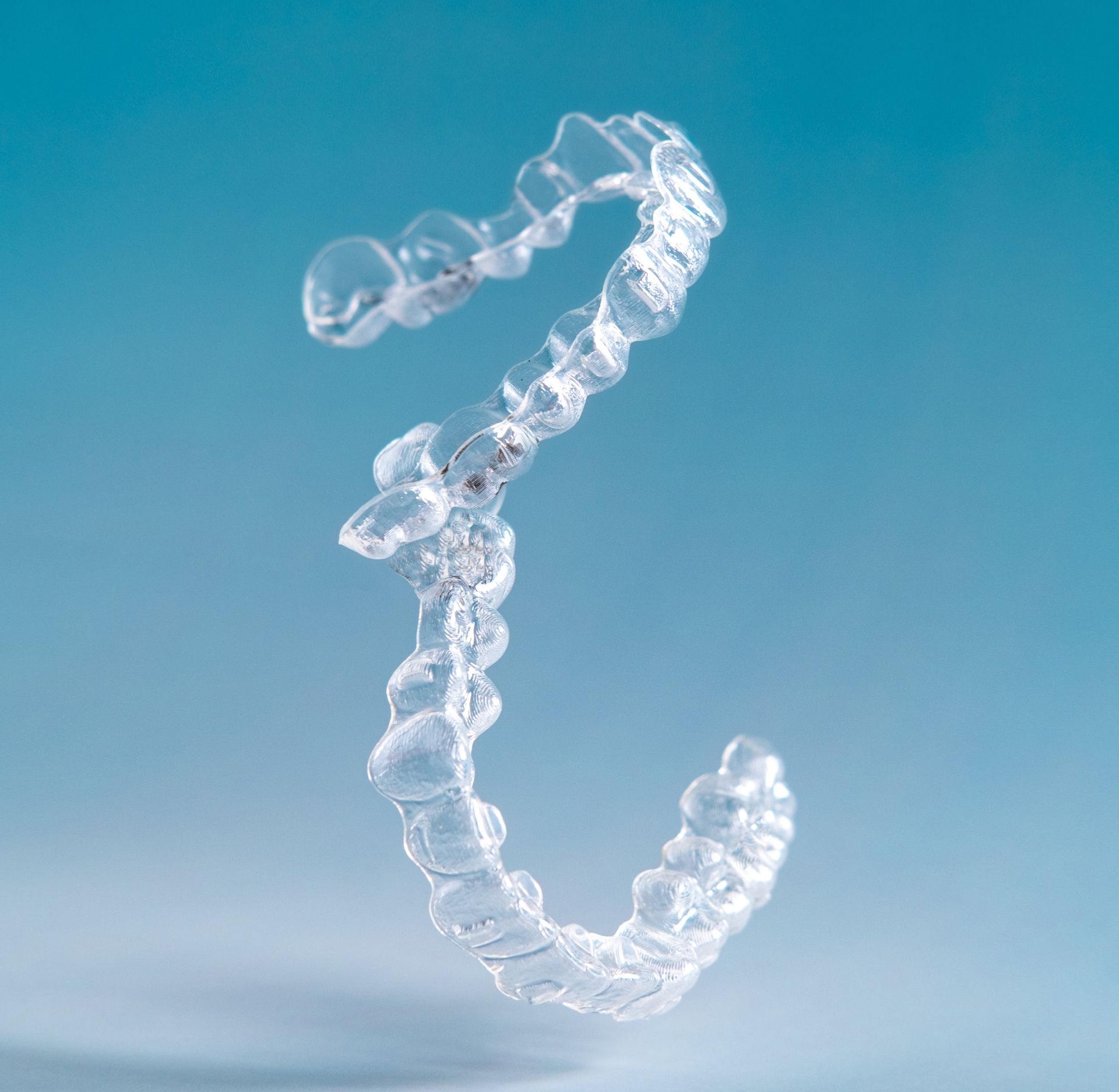
How does Invisalign move teeth?
How long Invisalign treatment takes ultimately depends on how much your teeth need to move, how consistently you wear your trays, and how your body responds to treatment.
Case complexity: If you have minor crowding or small gaps, then you’ll need fewer trays than someone who has a more complex case with bite discrepancies. This is the single biggest factor that determines length of treatment.
Your wear time: This is completely in your control and is critical for your treatment going smoothly. This is the most common reason that treatment runs longer than planned. So if you want to avoid slowdowns make sure you wear your aligners 20-22 hours consistently.
Your individual biology: Bone remodels at different rates depending on the person. For example, teens often move a bit faster than adults and some people simply move faster than others.
So how long does Invisalign take to work for you specifically? Every case is unique and the only way to really know is by seeing an orthodontist.
After your last Invisalign tray, we’ll take a look at your results, make sure everything has moved properly, and get you set up with a retainer plan that keeps your teeth from moving. You just spent months earning these results; now it’s time to keep them. Retainers come in different types ranging from clear plastic retainers to permanent fixed retainers, and your orthodontist will be able to figure out what retainer plan makes the most sense for you and your situation. At this stage, we’ll also see if your results need any finishing touches like whitening.
How to clean Invisalign trays more deeply
The countdown has begun. Soon you’ll be done with treatment and your braces will be off. So, now you probably have some questions. One of the main ones being: what’s the actual process like for getting your braces removed?
Short answer? Taking the brackets off takes around 15 to 20 minutes, with polishing away the adhesive and taking necessary records for your retainers taking another 20 to 35 minutes. So, the whole appointment typically runs somewhere between 45 minutes and an hour. It doesn’t hurt and you’ll really just feel pressure and some vibration. Once the braces are off, your teeth will feel slick when you rub your tongue over them. An interesting sensation more than anything, since your tongue is used to being met with brackets and wires.
Let’s walk through the appointment in order, and then go over what you can expect in the days to follow.
How Long Does It Take to Remove Braces?
Your appointment for getting your braces removed typically takes somewhere between 45 minutes and an hour. This includes bracket removal, polishing off the adhesive, and taking records for your retainers.
When people ask how long does removing braces take, they usually expect it to be a long and involved process, but the reality is that it’s rather quick, and the brackets themselves are off in 15 to 20 minutes. The stuff that happens after is just cleaning up and getting your retainers set up.
Of course, there are things that can shift the timeline of this appointment. For example, ceramic brackets take a little longer to remove than metal, and an upper-only or lower-only case will be able to be removed more quickly than a full set. So, if you’ve been looking up how long does it take to remove braces and have encountered varying timelines, that’s why.
How Are Braces Removed? The 3 Parts of Your Appointment
Braces are removed in three steps. First, each bracket is released with a debonding plier. Second, the adhesive left behind is polished away. Third, records are taken for your retainers.
- Removing The Brackets (15 to 20 minutes)
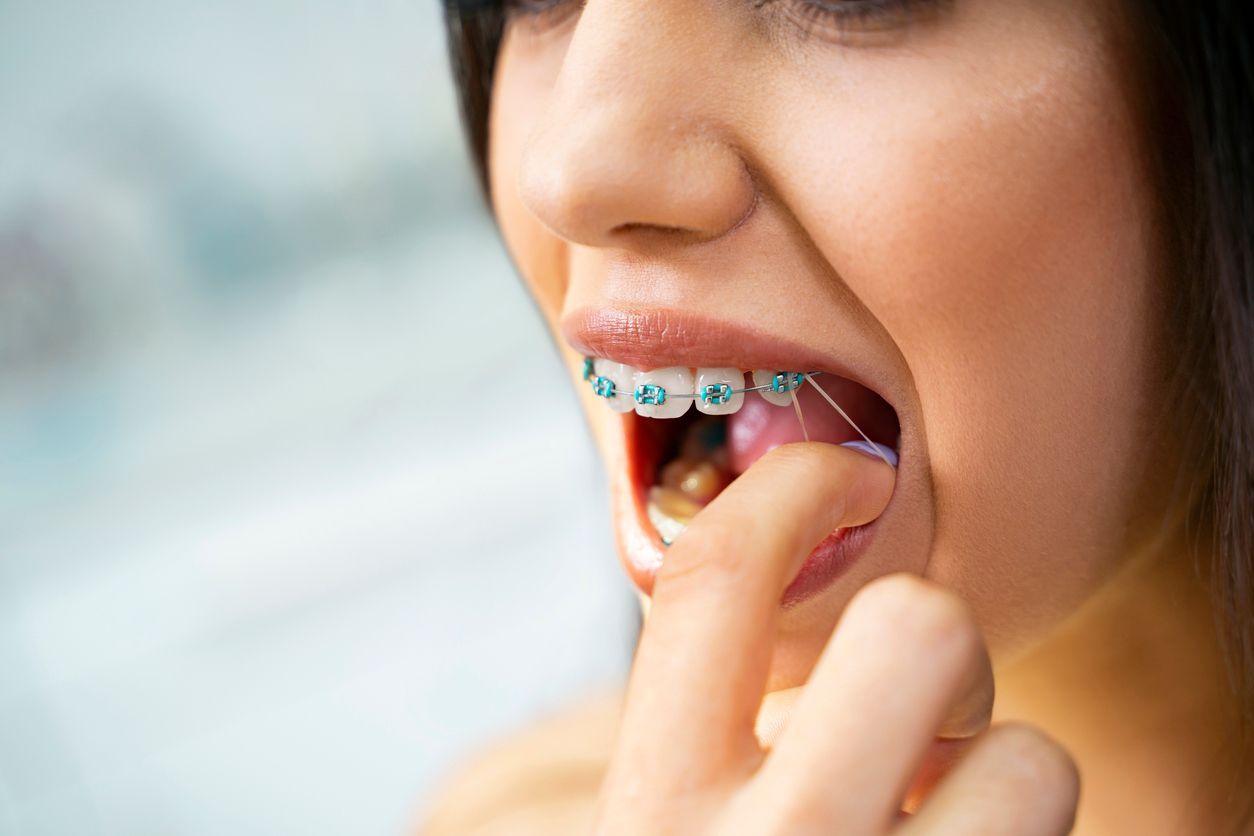
We’ll start by removing the wire. Then each bracket will follow. We’ll use a debonding plier to gently squeeze the brackets until the seal of the adhesive holding the brackets to the tooth breaks. On your end, the experience will likely be as follows: you’ll hear a small click, feel some light pressure, and boom the bracket will be off. We’ll go tooth by tooth and the whole process will be quick and painless.
- Polishing Off The Adhesive (10 to 20 minutes)
Once the brackets are removed, a small amount of bonding material will be left behind on each tooth. This isn’t something that can simply be brushed or rinsed away, so we’ll use a polishing tool to buff it off. This is an important step that requires diligence, and is one that we never rush, because leftover adhesive can create a rough enamel surface that collects plaque and stains over time. When this step is done right, your teeth will feel incredibly smooth.
- Taking Your Retainer Records (10 to 15 minutes)
At Pierson & Saunders Orthodontics in San Antonio, we use an iTero digital scanner to capture a 3D image of your teeth in minutes. This lets you avoid the mess of traditional putty impressions, and that precise rendering becomes the blueprint for designing your retainer that will keep your smile in place for the long-haul.
After that, we’ll do a final bite check and your after photos, which is the fun part and only takes a few minutes.
If you’ve searched things like how to remove dental braces, now you can see that it’s pretty straightforward, and afterwards one thing is almost guaranteed: you won’t be able to stop smiling.
Does It Hurt To Remove Braces?
If you’ve been wondering does it hurt to remove braces, the answer is that most patients will feel pressure and a quick releasing sensation, but they won’t feel pain.
The reason being that the plier is squeezing the bracket and the force is going into the adhesive, not the tooth itself. You’ll simply feel a pop, one bracket at a time, as your orthodontist works their way around to all of your teeth.
There can be a mild soreness afterward, with your teeth feeling tender or slightly loose for a few days, but this will settle. What you’re feeling is the periodontal ligament (a connective tissue that holds your tooth root to the bone socket) adjusting to not having braces connecting all of your teeth. Your gums may also feel a little sensitive. These sensations are mild, and will resolve on their own.
Can You Take Braces Off At Home?
No, you should not take braces off at home. They should only be removed by an orthodontist, as you can cause permanent damage trying to do it yourself.
It’s understandable why people search for how to remove braces or how to take braces off. Treatment can last awhile and there’s times when it can be frustrating. There’s also situations where life circumstances change, and braces treatment becomes more difficult to fit into your life.
However, taking your braces off at home with a DIY fix is not the answer.
Here’s the actual danger you could be putting yourself in:
Orthodontists use special instruments and techniques that direct force into the adhesive instead of the tooth. If you try to take your brackets off, you can cause enamel cracks and surface loss that can’t be fixed. Enamel doesn’t grow back. And even if you were to successfully remove a bracket, there’s the issue of bonding material left behind, that you can’t simply brush away. Removing that material requires a professional to polish it away.
In addition to all of these dangers related to the removal itself, after the brackets have been removed, you have the issue of not having a retainer. The moment your braces are off, your teeth start moving and a retainer is critical for preventing that movement and preserving your result long-term.
This isn’t just our opinion, as the American Association of Orthodontists has issued a consumer alert on do-it-yourself orthodontics, stating that moving teeth is a medical procedure that needs supervision by an orthodontist. This also very much applies to taking braces off.
If what you really want is your braces off sooner, then you simply need to have a conversation with your orthodontist rather than attempting to do it yourself. Your orthodontist will be able to walk you through where you’re at in your treatment, and help you understand what would happen if you stopped treatment at that moment.
What Happens After Your Braces Come Off?
After your braces come off, wearing a retainer starts right away. Your orthodontist will tell you how often you need to wear it, and your compliance will be the single biggest factor in making sure your result stands the test of time.
In order to get a more in-depth look, read more about
why teeth shift after braces and how consistent wear is important for preventing it.
For the first few days your teeth may be a bit sensitive to cold. But on the bright side, those restrictions of what you could eat with your braces? Consider them gone. You can now eat whatever you want!
Why Do My Teeth Look Yellow After Braces?
Since your brackets cover areas of your teeth throughout treatment, the tooth underneath the brackets can wind up being a different color than the rest of the tooth when your braces come off. While your teeth are being exposed to the everyday staining activities of food, drink, and plaque buildup, the surface underneath the bracket is left shielded.
This can create a visual appearance of your teeth being yellowed.
The good news is that if it’s only surface staining and the actual enamel of your teeth is left unharmed then the contrast evens out for most patients in the months following the end of treatment.
However, there is one concern worth going over in this section and that’s white spot lesions. This is when plaque builds up around the brackets during treatment and causes enamel demineralization.This is why it’s important to be extra diligent about having proper hygiene during treatment. These spots don’t fade the way surface staining does. If you experience these lesions after your braces are removed your orthodontist will walk you through what your options look like.
One thing to note is that if you’re thinking about whitening as a way to bring white back to your smile, it’s best to consult your orthodontist first. First off, your enamel needs time to rehydrate after treatment and second, if you whiten too early or try to do it yourself, you run the risk of getting uneven results.
Frequently Asked Questions
- Is getting braces off more painful than getting them put on?
Most patients don’t experience pain during either appointment. The process of putting braces on includes cleaning your teeth and bonding the brackets to your teeth. No cutting or drilling needed. The soreness really just comes over the next few days when your teeth begin shifting. Removal then just looks like a few minutes of pressure as the brackets are removed one by one. Then mild tenderness in the first few days as your teeth settle.
- Is anesthesia used to remove braces?
No. Removing braces doesn’t involve anesthesia, because there isn’t any cutting, drilling, or removal of tooth structure.
- Can I get my braces off early?
There are some situations where braces can come off early, but it depends on where you are in the process. If your braces come off before your roots have finished settling then relapse is much more likely, and if that happens, you’ll need to get a second round of treatment. If you’re curious about an updated timeline, just ask. We’ll explain what we’re seeing and give you our latest estimate based on how your mouth is responding to treatment.
Conclusion
If you got to this article by searching how to remove braces or wondered what your final braces appointment will look like, now you know! It takes an hour or less, there’s no pain, and you’ll walk away with a retainer plan that helps you preserve your beautiful new smile.
At Pierson & Saunders, the debond appointment gives us the opportunity to check your bite, jaws, and teeth, making sure everything is working in perfect alignment. It’s one of our favorite appointments to be a part of because we get to see the joy that’s brought to our patients when they see their new smile for the first time.
If you haven’t begun your orthodontic journey yet or have any questions, schedule a free consultation today at either our North Loop or Alamo Ranch locations, here in San Antonio, Texas. We look forward to seeing you!
Get in touch
We will get back to you as soon as possible.
Please try again later.
Sources
American Association of Orthodontists. "At-Home Orthodontics: Cons and Considerations."
https://aaoinfo.org/resources/at-home-orthodontics/

Share this article