Braces. When you read that word there’s a good chance it evokes some sort of emotion. Maybe it’s excitement, because you’ve been waiting to fix your smile and it’s finally time. Maybe it’s worry, because you’re a parent of an anxious child and are unsure how they’ll handle the process. Maybe it’s fear, because you’re concerned that the braces are going to hurt. It’s certainly a spectrum and however you’re feeling is completely normal!
One thing that everyone can benefit from before getting braces, regardless of how they feel about them, is knowledge about what the process of getting braces actually looks like. Shedding some light on the “how” can really help ease any stresses or anxieties around it.
If you or your child are gearing up to get braces there’s probably a ton of questions racing through your mind.
Like, how are braces put on? Or, how long does it take to put braces on? Or maybe, what are the steps involved in the braces process?
Well, if you have questions about the braces process then I have some good news for you: you’re in the right spot! In this article we’re going to break down the steps involved in getting braces, provide you with helpful info on how to protect your braces after installation, and talk about a modern technique called indirect bonding that can make the process even more comfortable and precise.
Understanding Orthodontic Treatment
Orthodontic treatment has a ton of benefits that go well beyond straightening your teeth for aesthetics. Orthodontic treatment can improve bite function, reduce uneven wear on teeth, allow for easier brushing and flossing, and create an overall healthier balance within your mouth that’s more conducive for long-term oral health.
That’s obviously not an exhaustive list of everything orthodontics can help with, but you probably wouldn’t want to read all that, so let’s get into the meat of the article: how to get braces.
Steps Involved in Getting Braces
The braces process happens in a few different stages and knowing these orthodontic braces steps can help alleviate some anxiety around the process. After all, sometimes the unknown is the scariest part!
Initial Consultation
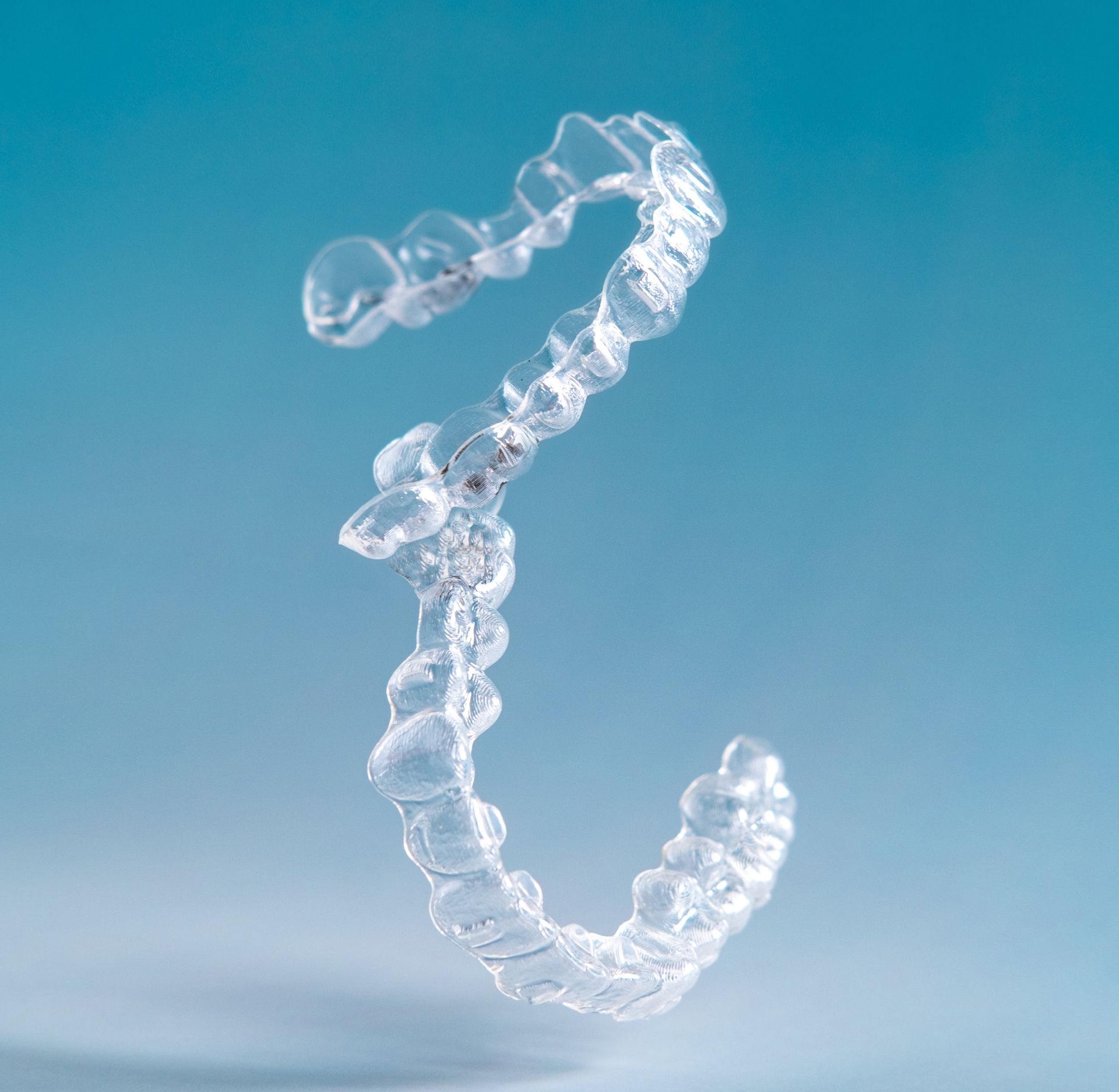
The first step of any orthodontic treatment is the initial consultation. During this stage, an orthodontist will examine your bite and teeth, take any needed images or scans, and talk with you about your goals. This phase is all about diagnosing the issues you’re experiencing and determining the best treatment plan, whether that’s braces, or clear aligners like Invisalign, or another orthodontic option.
Treatment Planning
Once there’s a diagnosis, and the orthodontist has a clear understanding of your teeth and bite, they can move forward with putting together a personalized treatment plan. You’ll be recommended a treatment option, given details on the process and what the overall timeline looks like, as well as provided an explanation of the expected results. Questions are encouraged so don’t hesitate to ask your orthodontist if you’re unsure about something!
Now let’s imagine you’ve gotten your treatment plan and the recommended option is braces, well let’s see what the process of getting braces put on looks like!
How Are Braces Put On? The Step-by-Step Process
Patients are always asking questions like how long do braces take to put on? Understanding the braces steps can help answer this question and make you feel more confident going into the process of getting braces.
Step 1: Cleaning and Preparing Teeth
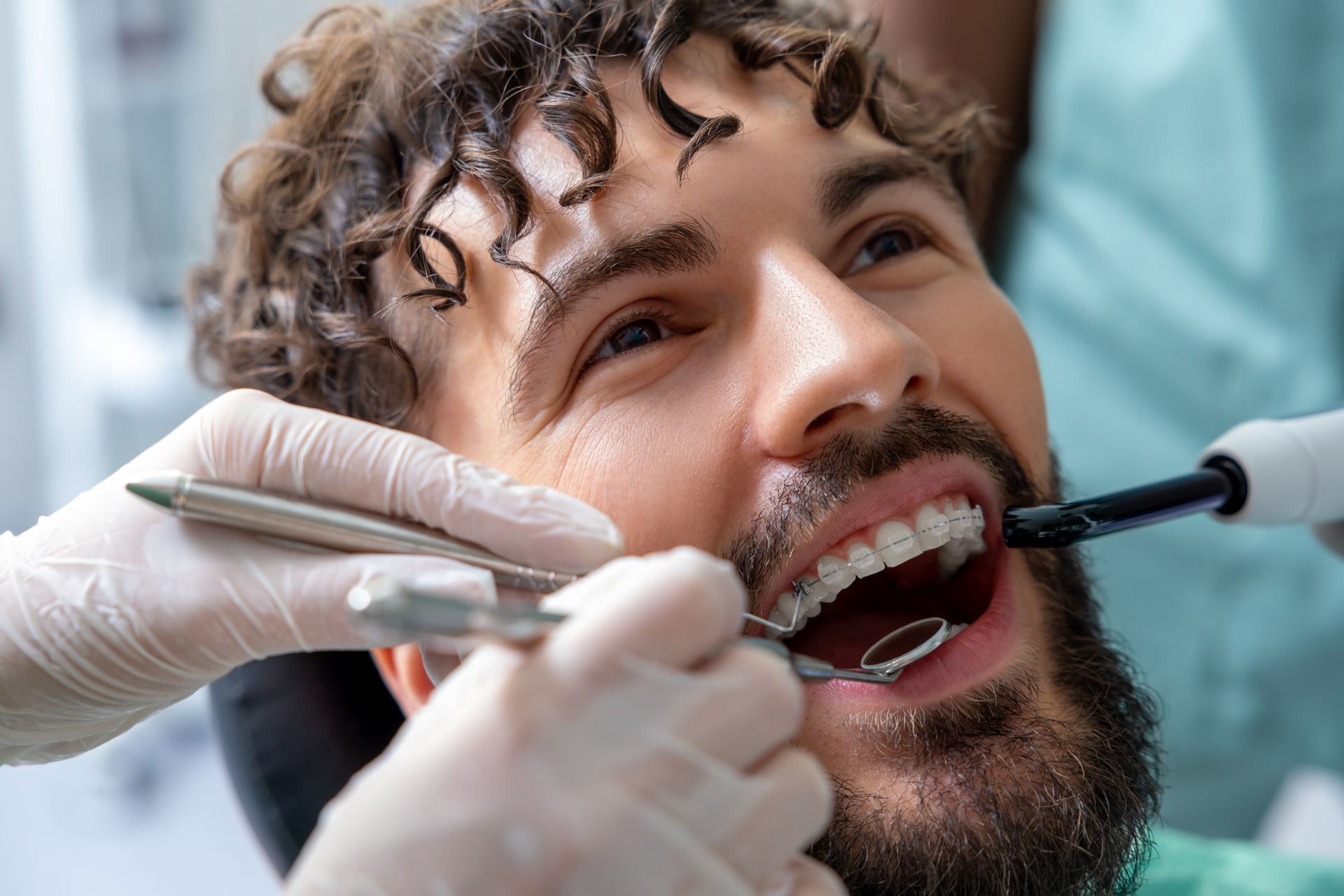
In order for the brackets to bond properly to the teeth, the orthodontic team must clean and dry your teeth.
Step 2: Placing the Brackets
When placing the brackets, they’ll position each one in a unique way depending on what’s required to get the most efficient tooth movement.
Step 3: Securing the Brackets
A special adhesive will be used to bond the brackets to the surface of the tooth. Once the brackets are in position, a curing light will harden the adhesive so that they’re firmly set.
Step 4: Adding the Archwire
After the brackets are secured, the next step is running an archwire through them. Designed tension on this wire creates gentle pressure on your teeth and gradually moves them into the desired positioning.
Once patients see the teeth braces steps laid out clearly, it makes the whole process feel a lot more manageable.
Then for the answer to the question of how long does it take to get braces put on? Typically the appointment lasts somewhere between 60 and 90 minutes. A large portion of this time is spent correctly positioning the brackets and making sure they’re in their proper placement before securing them.
Since that meticulous placement accounts for most of your time in the chair, how great would it be if the orthodontist could take care of that part ahead of time?
Well, ask and you shall receive! Some modern orthodontic practices (Pierson & Saunders being one of them of course!) have adopted a technique that allows for that very thing. This process is called indirect bonding.
What is Indirect Bonding?
With indirect bonding, the braces procedure is a little bit different and can change the answer to the question of: how long does it take to put braces on teeth?
Traditionally, the orthodontist carefully places each individual bracket one at a time while the patient is sitting in the chair. However, with indirect bonding, the brackets are all able to be positioned ahead of time. But how?
It starts with a 3D scan of your teeth. This is then used to plan the exact placement of every bracket and produce a physical model of your teeth. The orthodontist will then perfect the positioning of the brackets on this model before your appointment. When it’s time to put your brackets on, these pre-positioned brackets are then just transferred to your mouth with a custom tray.
Basically, the time consuming precision work of placing the brackets in their planned positions all happens before you sit down in the chair.
Why Indirect Bonding is an Upgrade
So why does indirect bonding matter? Is indirect bonding better? Is indirect bonding quicker?
Not only can indirect bonding save you time in the chair, but it can also improve your overall treatment outcome. Bracket placement plays a huge role in how efficiently your teeth move during treatment, and indirect bonding allows for extremely accurate bracket placement.
Let’s take a look at the 3 biggest advantages of indirect bonding:
Better Precision
Since the bracket placement is planned digitally and an orthodontist can take as long as they need when positioning the bracket, you can be sure the bracket placement is going to be as accurate as possible.
More Efficient Appointments
Since the brackets are transferred using a tray rather than being placed one-by-one, while you’re sitting in the chair, the process of getting braces with indirect bonding can be a lot more efficient.
More Consistent Results
By having a carefully planned setup, the treatment process is smoother, more efficient, and can deliver more predictable results.
Taking Care of Your Braces After Installation
Alright, so your braces are in place and you’re on the path to straighter teeth. Next step, figuring out how to take care of them so that you can keep your teeth healthy and your treatment plan on track.
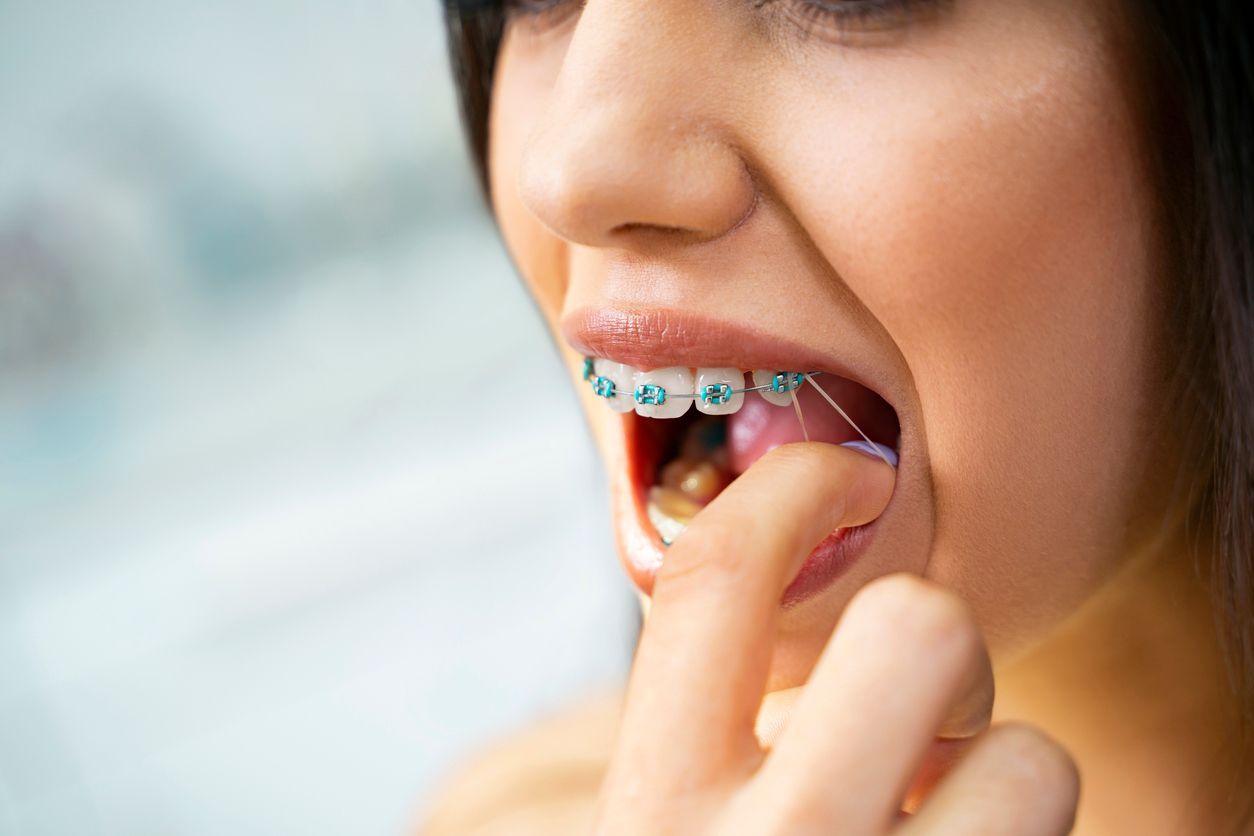
One of the singular most important things you can do, while having braces, is maintaining excellent oral hygiene. It takes a little bit more work than when you don’t have braces but it’s well worth it. Brackets and wires create a lot of places for food and plaque to hide, so you have to be diligent when it comes to brushing and flossing.
Here’s some general tips for making sure your braces stay intact and your oral hygiene stays fresh:
- Brush after meals whenever possible
- Floss daily using floss threaders or orthodontic floss
- Use orthodontic wax if you have a bracket or wire that’s causing irritation
- Avoid hard or sticky foods that could damage your brackets
Conclusion
Understanding the process of getting braces ahead of time can help make the whole experience feel much less intimidating. By pulling back the curtain, you can see that it’s simply a series of carefully planned steps that are designed to bring you a beautiful and healthy new smile.
With advanced techniques like indirect bonding that make the braces process more precise and efficient, the patient experience for getting braces has never been better.
At Pierson & Saunders we are proud to be at the forefront of adopting modern technologies and techniques that make treatment for our patients easier and more comfortable. If you’re looking for an orthodontist in San Antonio for you or your child, schedule an appointment with us today, and see what orthodontic treatment is supposed to be like.