April 7, 2026

Why Early Orthodontic Evaluations Matter

Is your child 7 years or older? If they are, have they gone to an orthodontist yet?


If not, it’s time to change that! 


In orthodontics, the “magic age of 7” marks a unique time in a child’s life where the development of their mouth is in full swing and an orthodontist is able to see certain problems developing
before they’ve become problematic.


By catching problems early, an orthodontist is able to guide growth using non-invasive methods, helping your child avoid more complex, invasive, and expensive treatments down the line. 


This is why early orthodontic evaluations matter. It can be the difference between a simple non-invasive treatment plan versus a complex surgical approach.


Even if your child doesn’t end up needing early orthodontic intervention, seeing orthodontic specialists early can give you the peace of mind that your child’s mouth is developing properly and can create a good baseline for growth monitoring.


In this blog, we’re going to be breaking down everything you need to know about what early orthodontic consultations are, when they should happen, and why they’re important for your child’s developmental health. 


What is an Early Orthodontic Evaluation


An early orthodontic evaluation for children is where an orthodontic specialist examines your child’s teeth, bite, and jaw to see how they’re developing. 


It doesn’t automatically mean that your child is going to need orthodontic treatment. In fact, most children don’t start treatment immediately. This initial orthodontic consultation is all about growth monitoring and making sure that your child’s development is headed in the right direction. 


It’s a proactive step toward optimal dental care, where if there is a problem developing, an orthodontist can correct it early, before it turns into a bigger and more complex challenge. 


By typing into Google, kids orthodontist near me or childrens orthodontics near me, you can take the important first step of finding a quality orthodontist to give your child an early orthodontic consultation. 


When Should a Child See an Orthodontist?


So, you see the importance of an early evaluation, but exactly when should a child see an orthodontist? 


It’s commonly accepted, and is recommended by the American Association of Orthodontics, that kids should get their first orthodontic consultation around the age of 7. 


If you’ve wondered before when should kids see an orthodontist, you probably figured it would be later, and are thinking that 7 sounds early. However, at this age, adult teeth are starting to come in, the jaw is actively developing, and certain bite issues are starting to show.

This makes it a perfect time for an orthodontist to determine if there are any issues popping up, and if there are, intervene early with simple treatment options that can minimize the complexity of future treatments. When it comes to orthodontics, the earlier the better. 


Why Early Orthodontic Evaluations Matter


So, what exactly makes timing so important and what’s the actual importance of early orthodontic treatment? 


Let’s dive into it!


Catching Problems Before They Get Worse


There’s all kinds of early indicators that your child’s development is headed in the wrong direction that an orthodontist can pick up on during an early evaluation.

Some common issues that can be identified during an early evaluation include:

  • Tooth crowding and spacing issues
  • Bite issues (crossbites, underbites, overbites, etc.)
  • Jaw growth imbalances (narrow upper jaw, upper and lower jaw not growing in sync, etc.)


One of the biggest benefits of early orthodontic treatment is that when issues are caught early, there’s a wider range of treatment options available and less invasive treatments are more effective. By catching problems early, you’re not reacting to a problem, you’re staying ahead of it. When possible, preventive orthodontics for kids is almost always going to be better than reactionary treatment. 


There’s all kinds of early intervention orthodontics treatment options that help a child’s mouth develop properly. For example, a palatal expander for kids can widen a narrow upper jaw, and could prevent a child from needing jaw surgery in the future. 


And that segues into our next point of why early orthodontic evaluations matter. 


Guiding Jaw Growth 


A huge advantage that a child has over an adult when it comes to orthodontics is that they’re still growing. 


One of the things that interceptive orthodontics (early treatment or Phase I treatment) is especially important in correcting is improper jaw growth. By guiding the development of a child’s jaw, an orthodontist can correct certain issues like jaw alignment and overcrowding of teeth. 


Interceptive orthodontics for kids is only possible while your child is still growing which is why it’s so important for your child to get an early evaluation. 


Making Future Treatment Easier


A huge goal of early orthodontic treatment for children is making future treatments simpler. This could lead to a number of benefits ranging from decreased treatment times to less painful treatment to a reduced price for treatment. 


Essentially, smart orthodontic treatment planning that starts early can make a huge difference in your child’s overall orthodontic journey and experience. 


Monitoring Growth Over Time


Even if your child doesn’t need treatment right away, consistent growth monitoring is critical for making sure your child’s development stays on track. 


That way, if anything does change with your child’s development, an orthodontist can identify it right away, making sure the problem is addressed before it becomes more difficult to correct. 


Children’s orthodontics really comes down to keeping an eye on things, and acting when the time is right with a strategic and staged approach. 


Building Confidence Early


For a lot of kids, going to the orthodontist can be overwhelming and intimidating. By getting your child into an orthodontist at a younger age, the process of going to the orthodontist can be normalized, so that when it’s time to actually begin treatment they feel more comfortable.


What Happens During an Orthodontic Consultation?


Your child’s initial orthodontic consultation will be a simple and stress-free affair. 


First, an orthodontist will begin by examining your child’s teeth and taking images or x-rays if needed. After evaluating your child’s jaw growth and spacing they’ll then discuss with you and your child what next steps look like. 


In many cases, growth monitoring and continued observation will be recommended. If treatment is decided to be the best option, then a detailed orthodontic treatment plan will be put together so you know exactly what to expect. 


How Early Orthodontics Fits Into Overall Dental Care


A person’s dental health journey starts long before their orthodontic journey. In fact, as a parent you probably remember typing into the search bar, pediatric dentist near me or kids dentist near me, trying to figure out the best dentist to bring your child to. 


Regular dental visits are key for keeping your child’s teeth healthy and aren’t replaced when your child begins seeing an orthodontist. 


The purpose of children’s orthodontics is more to make sure your child’s teeth
fit together properly. The most optimal dental care is when your child’s dentist and child’s orthodontist work together in a coordinated effort. 


Signs Your Child Might Need an Early Evaluation


The magic age of 7 is a great general benchmark, but the reality is there also might be certain signs that it could be a good idea to get your child in to see an orthodontist sooner than that.

As a parent keep an eye out for the following:

  • Early or late loss of baby teeth 
  • Difficulty chewing or biting
  • Mouth breathing
  • Prolonged thumbsucking past early childhood
  • Crowded teeth 
  • Jaw shifting ot clicking
  • Bite issues that could require underbite treatment for kids, a palatal expander for kids, or other early corrections


If you notice that your child is experiencing any of these then it could be time to set up an early evaluation sooner rather than later. 


Finding the Right Orthodontist


There’s a few common ways that you might find an orthodontist. 


You could start your search with a quick Google of
kids orthodontist near me or childrens orthodontics near me. That’s a great way to kick things off. 


Or, since you already likely searched
childrens dentist near me or top pediatric dentist near me years ago, and have a pediatric dentist that you like and trust, there’s a good chance they’ll have recommendations of good orthodontists to reach out to. 


Lastly, you could ask friends and family who have already had kids go through orthodontic treatment. Honest reviews from people you trust are a great way to get the inside scoop. 


Ultimately, you want to find an orthodontist that’s going to focus on guiding growth and doesn’t rush treatment. Every child’s mouth develops differently and the goal of treatment should always be to create a plan that fits their specific needs. 


Conclusion


When it comes to orthodontics, timing really is everything, and after reading this blog, it should be clear why early orthodontic evaluations matter. An early evaluation isn’t about immediately starting treatment, it’s about making sure your child’s development is on the right track and preventing small problems from developing into bigger ones. 


The magic age of 7 is real. By identifying issues while your child’s mouth is still developing, an orthodontist can guide growth and make a real difference in simplifying future treatment. 


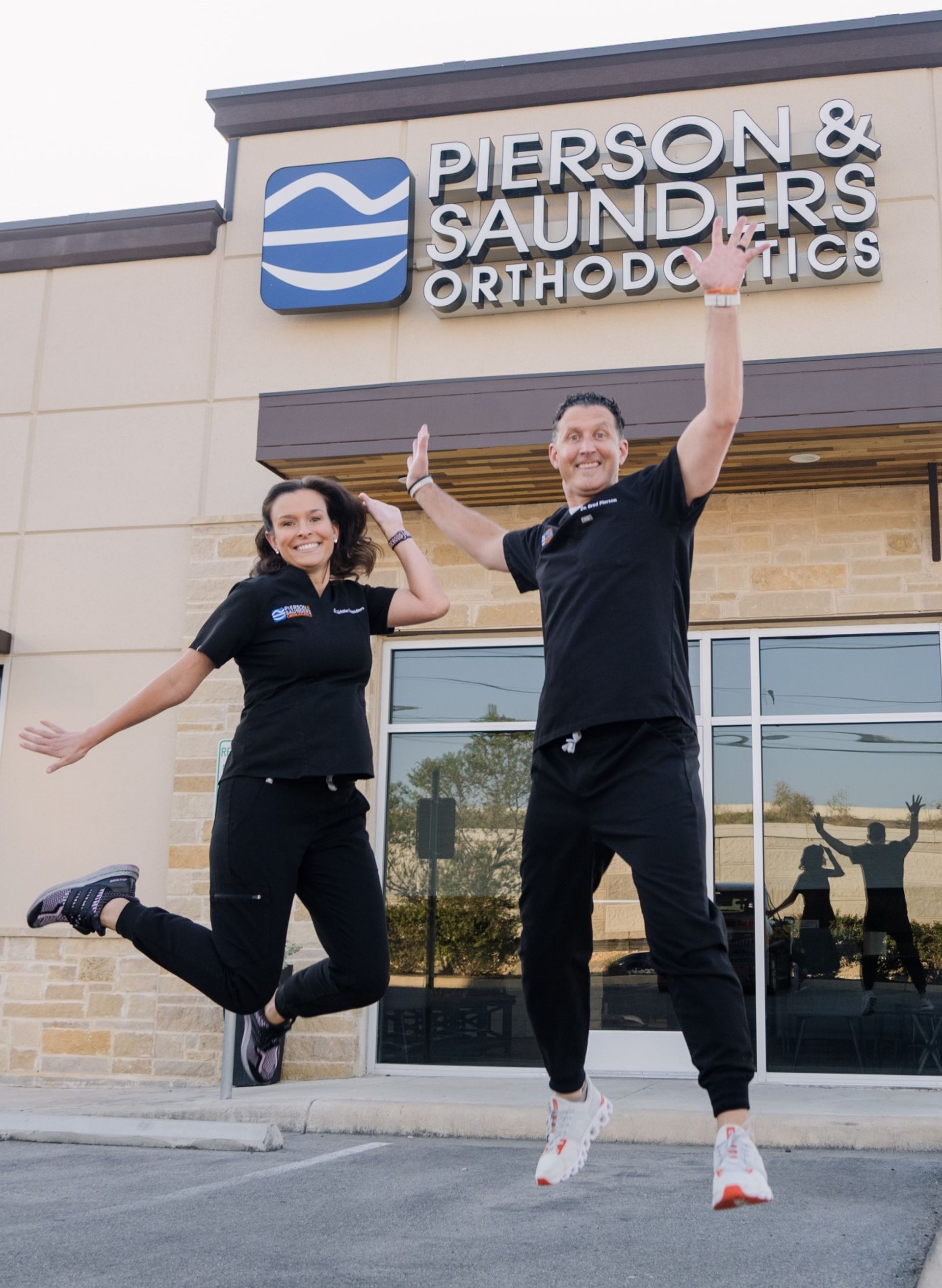
If you’re looking for a quality orthodontist in San Antonio to help your child with an early orthodontic evaluation, the team at Pierson and Saunders Orthodontics is ready to help. We make sure that treatment is uniquely tailored to the needs of your child and ensure that the process is never rushed, always putting your child’s long-term development first. 

Get in touch

Doctor holding clear orthodontic retainer
March 23, 2026
Wondering how long does Invisalign take? Discover the timeline for treatment and what factors can influence your journey to a straighter smile. Learn more!
March 17, 2026
Braces. When you read that word there’s a good chance it evokes some sort of emotion. Maybe it’s excitement, because you’ve been waiting to fix your smile and it’s finally time. Maybe it’s worry, because you’re a parent of an anxious child and are unsure how they’ll handle the process. Maybe it’s fear, because you’re concerned that the braces are going to hurt. It’s certainly a spectrum and however you’re feeling is completely normal! One thing that everyone can benefit from before getting braces, regardless of how they feel about them, is knowledge about what the process of getting braces actually looks like. Shedding some light on the “how” can really help ease any stresses or anxieties around it. If you or your child are gearing up to get braces there’s probably a ton of questions racing through your mind. Like, how are braces put on? Or, how long does it take to put braces on? Or maybe, what are the steps involved in the braces process? Well, if you have questions about the braces process then I have some good news for you: you’re in the right spot! In this article we’re going to break down the steps involved in getting braces, provide you with helpful info on how to protect your braces after installation, and talk about a modern technique called indirect bonding that can make the process even more comfortable and precise. Understanding Orthodontic Treatment Orthodontic treatment has a ton of benefits that go well beyond straightening your teeth for aesthetics. Orthodontic treatment can improve bite function, reduce uneven wear on teeth, allow for easier brushing and flossing, and create an overall healthier balance within your mouth that’s more conducive for long-term oral health. That’s obviously not an exhaustive list of everything orthodontics can help with, but you probably wouldn’t want to read all that, so let’s get into the meat of the article: how to get braces. Steps Involved in Getting Braces The braces process happens in a few different stages and knowing these orthodontic braces steps can help alleviate some anxiety around the process. After all, sometimes the unknown is the scariest part! Initial Consultation The first step of any orthodontic treatment is the initial consultation. During this stage, an orthodontist will examine your bite and teeth, take any needed images or scans, and talk with you about your goals. This phase is all about diagnosing the issues you’re experiencing and determining the best treatment plan, whether that’s braces, or clear aligners like Invisalign, or another orthodontic option. Treatment Planning Once there’s a diagnosis, and the orthodontist has a clear understanding of your teeth and bite, they can move forward with putting together a personalized treatment plan. You’ll be recommended a treatment option, given details on the process and what the overall timeline looks like, as well as provided an explanation of the expected results. Questions are encouraged so don’t hesitate to ask your orthodontist if you’re unsure about something! Now let’s imagine you’ve gotten your treatment plan and the recommended option is braces, well let’s see what the process of getting braces put on looks like! How Are Braces Put On? The Step-by-Step Process Patients are always asking questions like how long do braces take to put on? Understanding the braces steps can help answer this question and make you feel more confident going into the process of getting braces. Step 1: Cleaning and Preparing Teeth In order for the brackets to bond properly to the teeth, the orthodontic team must clean and dry your teeth. Step 2: Placing the Brackets When placing the brackets, they’ll position each one in a unique way depending on what’s required to get the most efficient tooth movement. Step 3: Securing the Brackets A special adhesive will be used to bond the brackets to the surface of the tooth. Once the brackets are in position, a curing light will harden the adhesive so that they’re firmly set. Step 4: Adding the Archwire After the brackets are secured, the next step is running an archwire through them. Designed tension on this wire creates gentle pressure on your teeth and gradually moves them into the desired positioning. Once patients see the teeth braces steps laid out clearly, it makes the whole process feel a lot more manageable. Then for the answer to the question of how long does it take to get braces put on? Typically the appointment lasts somewhere between 60 and 90 minutes. A large portion of this time is spent correctly positioning the brackets and making sure they’re in their proper placement before securing them. Since that meticulous placement accounts for most of your time in the chair, how great would it be if the orthodontist could take care of that part ahead of time? Well, ask and you shall receive! Some modern orthodontic practices (Pierson & Saunders being one of them of course!) have adopted a technique that allows for that very thing. This process is called indirect bonding. What is Indirect Bonding? With indirect bonding, the braces procedure is a little bit different and can change the answer to the question of: how long does it take to put braces on teeth? Traditionally, the orthodontist carefully places each individual bracket one at a time while the patient is sitting in the chair. However, with indirect bonding, the brackets are all able to be positioned ahead of time. But how? It starts with a 3D scan of your teeth. This is then used to plan the exact placement of every bracket and produce a physical model of your teeth. The orthodontist will then perfect the positioning of the brackets on this model before your appointment. When it’s time to put your brackets on, these pre-positioned brackets are then just transferred to your mouth with a custom tray. Basically, the time consuming precision work of placing the brackets in their planned positions all happens before you sit down in the chair. Why Indirect Bonding is an Upgrade So why does indirect bonding matter? Is indirect bonding better? Is indirect bonding quicker? Not only can indirect bonding save you time in the chair, but it can also improve your overall treatment outcome. Bracket placement plays a huge role in how efficiently your teeth move during treatment, and indirect bonding allows for extremely accurate bracket placement. Let’s take a look at the 3 biggest advantages of indirect bonding: Better Precision Since the bracket placement is planned digitally and an orthodontist can take as long as they need when positioning the bracket, you can be sure the bracket placement is going to be as accurate as possible. More Efficient Appointments Since the brackets are transferred using a tray rather than being placed one-by-one, while you’re sitting in the chair, the process of getting braces with indirect bonding can be a lot more efficient. More Consistent Results By having a carefully planned setup, the treatment process is smoother, more efficient, and can deliver more predictable results. Taking Care of Your Braces After Installation Alright, so your braces are in place and you’re on the path to straighter teeth. Next step, figuring out how to take care of them so that you can keep your teeth healthy and your treatment plan on track. One of the singular most important things you can do, while having braces, is maintaining excellent oral hygiene. It takes a little bit more work than when you don’t have braces but it’s well worth it. Brackets and wires create a lot of places for food and plaque to hide, so you have to be diligent when it comes to brushing and flossing. Here’s some general tips for making sure your braces stay intact and your oral hygiene stays fresh: Brush after meals whenever possible Floss daily using floss threaders or orthodontic floss Use orthodontic wax if you have a bracket or wire that’s causing irritation Avoid hard or sticky foods that could damage your brackets Conclusion Understanding the process of getting braces ahead of time can help make the whole experience feel much less intimidating. By pulling back the curtain, you can see that it’s simply a series of carefully planned steps that are designed to bring you a beautiful and healthy new smile. With advanced techniques like indirect bonding that make the braces process more precise and efficient, the patient experience for getting braces has never been better. At Pierson & Saunders we are proud to be at the forefront of adopting modern technologies and techniques that make treatment for our patients easier and more comfortable. If you’re looking for an orthodontist in San Antonio for you or your child, schedule an appointment with us today, and see what orthodontic treatment is supposed to be like.
Doctor holding clear orthodontic retainer
March 23, 2026
Wondering how long does Invisalign take? Discover the timeline for treatment and what factors can influence your journey to a straighter smile. Learn more!
March 17, 2026
Braces. When you read that word there’s a good chance it evokes some sort of emotion. Maybe it’s excitement, because you’ve been waiting to fix your smile and it’s finally time. Maybe it’s worry, because you’re a parent of an anxious child and are unsure how they’ll handle the process. Maybe it’s fear, because you’re concerned that the braces are going to hurt. It’s certainly a spectrum and however you’re feeling is completely normal! One thing that everyone can benefit from before getting braces, regardless of how they feel about them, is knowledge about what the process of getting braces actually looks like. Shedding some light on the “how” can really help ease any stresses or anxieties around it. If you or your child are gearing up to get braces there’s probably a ton of questions racing through your mind. Like, how are braces put on? Or, how long does it take to put braces on? Or maybe, what are the steps involved in the braces process? Well, if you have questions about the braces process then I have some good news for you: you’re in the right spot! In this article we’re going to break down the steps involved in getting braces, provide you with helpful info on how to protect your braces after installation, and talk about a modern technique called indirect bonding that can make the process even more comfortable and precise. Understanding Orthodontic Treatment Orthodontic treatment has a ton of benefits that go well beyond straightening your teeth for aesthetics. Orthodontic treatment can improve bite function, reduce uneven wear on teeth, allow for easier brushing and flossing, and create an overall healthier balance within your mouth that’s more conducive for long-term oral health. That’s obviously not an exhaustive list of everything orthodontics can help with, but you probably wouldn’t want to read all that, so let’s get into the meat of the article: how to get braces. Steps Involved in Getting Braces The braces process happens in a few different stages and knowing these orthodontic braces steps can help alleviate some anxiety around the process. After all, sometimes the unknown is the scariest part! Initial Consultation The first step of any orthodontic treatment is the initial consultation. During this stage, an orthodontist will examine your bite and teeth, take any needed images or scans, and talk with you about your goals. This phase is all about diagnosing the issues you’re experiencing and determining the best treatment plan, whether that’s braces, or clear aligners like Invisalign, or another orthodontic option. Treatment Planning Once there’s a diagnosis, and the orthodontist has a clear understanding of your teeth and bite, they can move forward with putting together a personalized treatment plan. You’ll be recommended a treatment option, given details on the process and what the overall timeline looks like, as well as provided an explanation of the expected results. Questions are encouraged so don’t hesitate to ask your orthodontist if you’re unsure about something! Now let’s imagine you’ve gotten your treatment plan and the recommended option is braces, well let’s see what the process of getting braces put on looks like! How Are Braces Put On? The Step-by-Step Process Patients are always asking questions like how long do braces take to put on? Understanding the braces steps can help answer this question and make you feel more confident going into the process of getting braces. Step 1: Cleaning and Preparing Teeth In order for the brackets to bond properly to the teeth, the orthodontic team must clean and dry your teeth. Step 2: Placing the Brackets When placing the brackets, they’ll position each one in a unique way depending on what’s required to get the most efficient tooth movement. Step 3: Securing the Brackets A special adhesive will be used to bond the brackets to the surface of the tooth. Once the brackets are in position, a curing light will harden the adhesive so that they’re firmly set. Step 4: Adding the Archwire After the brackets are secured, the next step is running an archwire through them. Designed tension on this wire creates gentle pressure on your teeth and gradually moves them into the desired positioning. Once patients see the teeth braces steps laid out clearly, it makes the whole process feel a lot more manageable. Then for the answer to the question of how long does it take to get braces put on? Typically the appointment lasts somewhere between 60 and 90 minutes. A large portion of this time is spent correctly positioning the brackets and making sure they’re in their proper placement before securing them. Since that meticulous placement accounts for most of your time in the chair, how great would it be if the orthodontist could take care of that part ahead of time? Well, ask and you shall receive! Some modern orthodontic practices (Pierson & Saunders being one of them of course!) have adopted a technique that allows for that very thing. This process is called indirect bonding. What is Indirect Bonding? With indirect bonding, the braces procedure is a little bit different and can change the answer to the question of: how long does it take to put braces on teeth? Traditionally, the orthodontist carefully places each individual bracket one at a time while the patient is sitting in the chair. However, with indirect bonding, the brackets are all able to be positioned ahead of time. But how? It starts with a 3D scan of your teeth. This is then used to plan the exact placement of every bracket and produce a physical model of your teeth. The orthodontist will then perfect the positioning of the brackets on this model before your appointment. When it’s time to put your brackets on, these pre-positioned brackets are then just transferred to your mouth with a custom tray. Basically, the time consuming precision work of placing the brackets in their planned positions all happens before you sit down in the chair. Why Indirect Bonding is an Upgrade So why does indirect bonding matter? Is indirect bonding better? Is indirect bonding quicker? Not only can indirect bonding save you time in the chair, but it can also improve your overall treatment outcome. Bracket placement plays a huge role in how efficiently your teeth move during treatment, and indirect bonding allows for extremely accurate bracket placement. Let’s take a look at the 3 biggest advantages of indirect bonding: Better Precision Since the bracket placement is planned digitally and an orthodontist can take as long as they need when positioning the bracket, you can be sure the bracket placement is going to be as accurate as possible. More Efficient Appointments Since the brackets are transferred using a tray rather than being placed one-by-one, while you’re sitting in the chair, the process of getting braces with indirect bonding can be a lot more efficient. More Consistent Results By having a carefully planned setup, the treatment process is smoother, more efficient, and can deliver more predictable results. Taking Care of Your Braces After Installation Alright, so your braces are in place and you’re on the path to straighter teeth. Next step, figuring out how to take care of them so that you can keep your teeth healthy and your treatment plan on track. One of the singular most important things you can do, while having braces, is maintaining excellent oral hygiene. It takes a little bit more work than when you don’t have braces but it’s well worth it. Brackets and wires create a lot of places for food and plaque to hide, so you have to be diligent when it comes to brushing and flossing. Here’s some general tips for making sure your braces stay intact and your oral hygiene stays fresh: Brush after meals whenever possible Floss daily using floss threaders or orthodontic floss Use orthodontic wax if you have a bracket or wire that’s causing irritation Avoid hard or sticky foods that could damage your brackets Conclusion Understanding the process of getting braces ahead of time can help make the whole experience feel much less intimidating. By pulling back the curtain, you can see that it’s simply a series of carefully planned steps that are designed to bring you a beautiful and healthy new smile. With advanced techniques like indirect bonding that make the braces process more precise and efficient, the patient experience for getting braces has never been better. At Pierson & Saunders we are proud to be at the forefront of adopting modern technologies and techniques that make treatment for our patients easier and more comfortable. If you’re looking for an orthodontist in San Antonio for you or your child, schedule an appointment with us today, and see what orthodontic treatment is supposed to be like.

Share this article